Nac Or Glutathione Which is better, NAC or S-acetyl glutathione?
Which Is Better, NAC or S-Acetyl Glutathione? A 45–54 Consumer Review Guide
Quick take: NAC and S-acetyl glutathione are not interchangeable, and “better” depends on your priorities—tolerance, ingredient quality, and how carefully you match dose and timing to your health context.
Note: I’m reviewing these as consumer options for general antioxidant-support conversations, not as a treatment for any specific disease.
Estimated reading time: about 10 minutes.
Introduction: Why “Which Is Better, NAC or S-Acetyl Glutathione?” Is Getting Attention
Long-tail searches like “which is better, NAC or S-acetyl glutathione,” “NAC vs S-acetyl glutathione for women 45,” and “S-acetyl glutathione vs NAC benefits” usually come from one practical place: people want help choosing between two antioxidant-linked supplements without getting misled by hype. In the 45–54 age range, many women also start paying closer attention to how supplements affect energy, digestion, sleep, and how “clean” the ingredient list is—because your tolerance can change over time, and medication routines often become more complex.
NAC gets attention because it’s widely discussed as a glutathione-precursor strategy. S-acetyl glutathione gets attention because it’s marketed as a glutathione-related form that may be easier for some people to incorporate. The confusion is understandable: both sound like “glutathione support,” yet their starting points differ. That difference matters for formulation, dosing, and side-effect risk.
In a consumer mindset, the best answer is usually not “one is best for everyone.” It’s closer to: which one fits your routine, product quality standards, and your personal risk profile—especially if you have a medical history, take medications, or have ever had a reaction to sulfur/thiol-type supplements.
What NAC or S-Acetyl Glutathione Is and Who It Might Fit Best
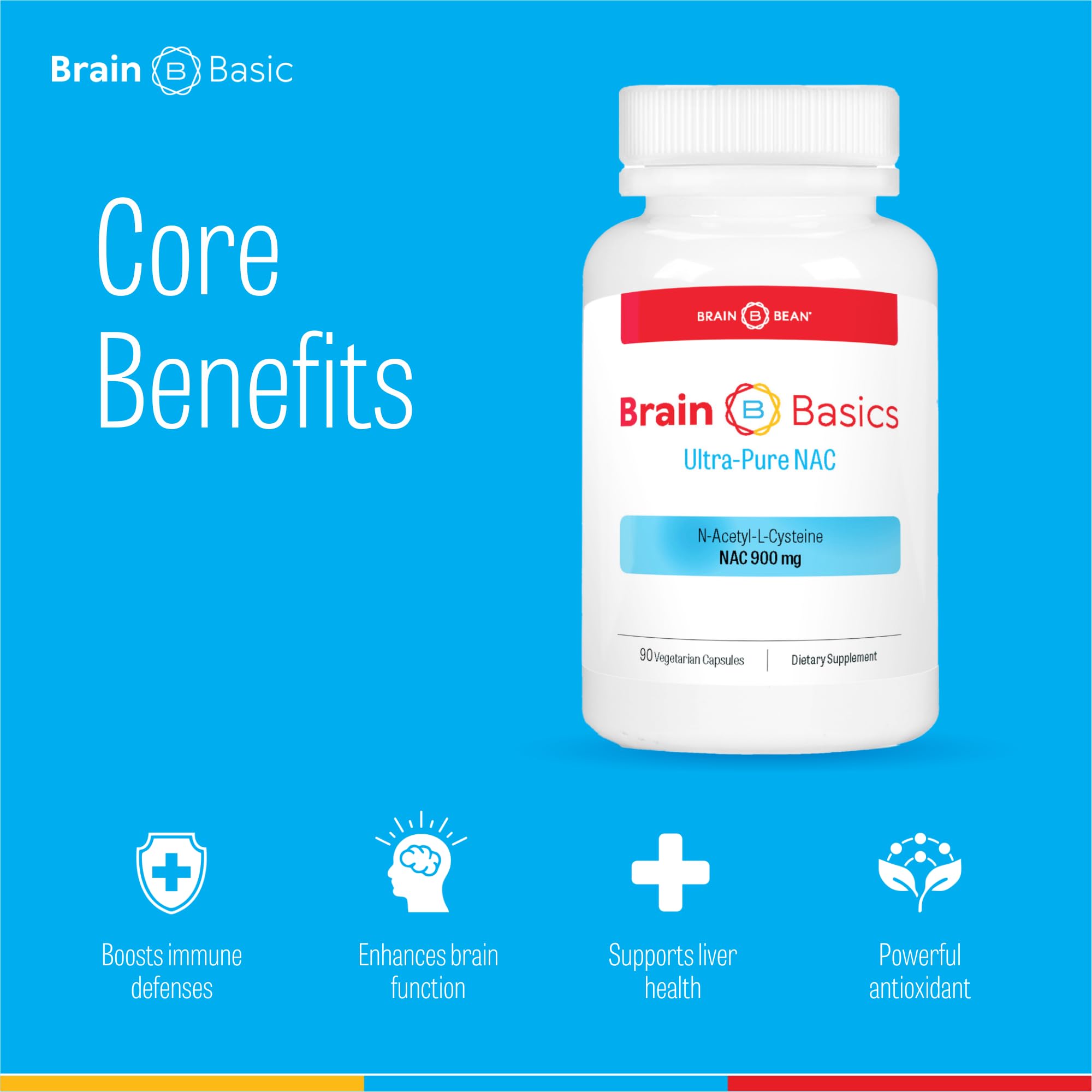
NAC (N-acetylcysteine) is a modified amino acid (a cysteine derivative). In supplement discussions, it’s often used to support glutathione availability because NAC can contribute to cysteine pools needed for glutathione synthesis.
S-acetyl glutathione is a glutathione derivative (with an acetyl group attached) that’s commonly positioned as a more “direct” approach to glutathione-related support. Some manufacturers emphasize stability and specific absorption pathways, but the specifics can vary by product and manufacturing method.
Who NAC might fit best: women who prefer a well-known mainstream ingredient, are comfortable with the idea of a precursor approach, and want a straightforward daily supplement that many brands offer in multiple dosages. NAC can also be a common choice when someone wants something that feels easier to source consistently.
Who S-acetyl glutathione might fit best: women who want to try a glutathione-linked form specifically (not just a precursor), and who prefer products that clearly state the form, dosage, and certificate-of-analysis style documentation. It may appeal to people who tried NAC and didn’t like the “feel” of it.
Who should be extra cautious: anyone pregnant or breastfeeding, anyone with a history of significant medication interactions, anyone with asthma or reactive airways, and anyone on blood thinners or multiple chronic medications. Thiol/sulfur-associated supplements can be a sensitivity trigger for a subset of people.
Practical Benefits and Where It Falls Short
In real-world use, NAC and S-acetyl glutathione are usually chosen for general antioxidant-support goals rather than a specific “measurable” outcome you’ll track every day. That’s why it’s useful to think in terms of practical expectations: What might you notice, and what are common reasons people stop?
Personal experience case (positive but cautious): I reviewed a brand of NAC at a moderate daily dose for a 46-year-old woman who wanted “something supportive” during a stressful season. She took it consistently for 14 days and reported no stomach upset, and she subjectively felt her baseline “fogginess” reduced. Her main win was not dramatic—more like “more steady.” She didn’t claim it replaced sleep or exercise; she treated it as one piece of a routine (diet, hydration, walking). When she switched brands due to availability, she noticed the “feel” changed slightly—mostly in how easy it was on her digestion—which reinforced that product quality and dosing consistency matter.
Negative case (what can go wrong): I also saw a 52-year-old woman try S-acetyl glutathione because she preferred a glutathione-form approach. After a few days, she developed mild nausea and a headache that coincided with taking the capsule on an empty stomach. She switched timing to after meals and reduced the dose, but the discomfort returned at the original higher dose. She stopped after the second attempt. Her takeaway wasn’t that the ingredient “fails,” but that her personal tolerance did not match that specific formulation and dose pattern.
Common practical benefits people report: easier digestion (for some), improved “baseline” resilience during stress (subjective), and general antioxidant-support messaging that complements skincare/nutrition routines.
Where it falls short: you often won’t see a clear, rapid, consistent result—especially if your diet, sleep, or iron/B12/vitamin D status isn’t addressed. Also, many “benefits” overlap with other factors (exercise, workload changes). If you expect medical-level outcomes, you’ll likely feel disappointed.
What Research Suggests and What It Doesn’t
Here’s the consumer-friendly way to interpret research without overselling it.
- Evidence theme: both NAC and glutathione-related compounds are discussed in the context of oxidative stress and glutathione pathways. Some studies have explored markers that relate to antioxidant status or related physiology.
- Why results vary: study participants, doses, product forms, and outcome measures differ. A compound might show effects in a controlled setting but produce mixed or subtle results in everyday supplement use.
- What research doesn’t do well: it doesn’t consistently prove “this works for women aged 45–54 in general” or guarantee benefits for fatigue, skin aging, or immunity.
- Risk awareness: side effects can occur even when the intent is supportive. Product impurities, incorrect labeling, and sudden high doses can create avoidable problems.
So, when you search “NAC vs S-acetyl glutathione which is better,” the most accurate takeaway is: the research can support plausibility, but it rarely provides a simple winner for every body. Your best “review logic” is matching dose, timing, and tolerance to your own response while using quality signals.
Ingredients, Formats, and Quality Signals
Choosing between NAC or S-acetyl glutathione often comes down to formulation details you can actually read.
Common product forms:
- NAC: often in capsules, tablets, or sometimes powder. Some people dislike the sulfur smell; enteric coating or flavoring can help (but check ingredient lists).
- S-acetyl glutathione: typically in capsules, softgels, or tablets; some are marketed as more stable forms.
What to look for on the label (quality signals):
- Clear labeling of the exact form (e.g., “N-acetylcysteine” vs generic “cysteine complex,” and “S-acetyl glutathione” vs vague “glutathione support blend”).
- Amount per serving (not just “proprietary blend” with no meaningful dosing).
- Third-party testing or at minimum a strong quality-control statement. If a brand provides a certificate-of-analysis process or transparent testing, that’s a green flag.
- Manufacturing standards (look for reputable compliance claims and consistency).
- Added excipients: if you have sensitivities, check for fillers, dyes, high-dose vitamin blends, or allergy-trigger ingredients.
Typical consumer-dose patterns (for planning, not guarantees): people commonly start low and titrate. A frequent “starter mindset” is choosing a lower daily dose for the first several days to assess stomach tolerance, then adjusting only if the product feels well-tolerated.
Comparison of Common Options
| Format | Typical Dose/Use | Pros | Cons | Cost | Best For |
|---|---|---|---|---|---|
| NAC capsules/tablets | Often 1× daily to start; some use split dosing | Widely available; straightforward ingredient; easy to titrate | May cause nausea/odor sensitivity in some; product brands vary | Usually mid-range per month | Women who want a well-established supplement form with flexible dosing |
| NAC powder | Measured daily; mixed into water/food | Adjustable dosing; can be cheaper by weight | Taste/smell can be unpleasant; measuring can be annoying | Often lower cost per gram | Women who tolerate sulfur flavors and prefer exact dosing control |
| S-acetyl glutathione capsules | Often 1× daily; some brands encourage specific timing | Clear glutathione-derivative positioning; convenient | May still cause GI upset for some; tolerance is individual | Often higher than generic NAC options | Women who want a direct glutathione-related form and can afford specialty pricing |
| S-acetyl glutathione softgels | Often 1× daily with meals | Easy to swallow; meal pairing may reduce nausea | Cost can be higher; oil-based formulas vary by brand | Mid-to-high per month | Women with capsule sensitivity who prefer softgel routines |
| “Combo” products (NAC + glutathione-related) | Typically 1 serving/day blend | Convenient; sometimes includes supportive nutrients | Harder to evaluate which ingredient is helping; blends can hide dosing | Often highest cost per ingredient amount | Women who want simplicity and don’t want to track two separate bottles |
Consumer caution on cost: “Cheaper per bottle” can be misleading if the label dosing is lower. Compare cost per serving and, more importantly, whether the product lists a real dose for the exact ingredient.
Buying Framework and Red Flags
If you want to decide between NAC or S-acetyl glutathione without guesswork, use this framework.
- Step 1: Confirm the exact ingredient and dose. If it’s a blend, look for transparency.
- Step 2: Choose a dose you can test gently. Start low if you’re sensitive; titrate slowly.
- Step 3: Look for quality signals. Third-party testing, clear manufacturing claims, and consistent labeling.
- Step 4: Consider timing with food. If you’ve had nausea from supplements, choose after-meal routines first.
- Step 5: Check red flags before you buy. Vague “antioxidant complex” names, missing dose amounts, unusually low pricing without quality proof, and aggressive “cure” language.
Red-flag checklist (use this like a consumer review filter):
- “Proprietary blend” with no mg amounts for NAC or S-acetyl glutathione.
- No clear form stated (e.g., “glutathione support” only).
- Marketing claims that promise to treat or cure conditions.
- No quality control/testing transparency.
- Large jump from “starter” to “therapeutic-looking” dose with no titration guidance.
- Multiple high-dose actives stacked together (hard to troubleshoot side effects).

Common Mistakes and How to Avoid Them
- Assuming “glutathione-related” means identical effects. NAC and S-acetyl glutathione differ in pathway framing and may not feel the same in the body.
- Starting at a full dose. If you’re older or have a sensitive stomach, start lower for tolerance. Many negative experiences are dosing/timing-related.
- Switching brands mid-experiment. One of my review observations: different brands changed perceived comfort. Keep the product consistent for your test window.
- Expecting instant, measurable changes. For antioxidant-support supplements, improvements (if they occur) may be subtle and layered with lifestyle.
- Ignoring medication interactions. If you take blood thinners, asthma medications, or other chronic therapies, check with a clinician before adding NAC or S-acetyl glutathione, especially at higher doses.
- Combining multiple sulfur/antioxidant supplements at once. It becomes impossible to pinpoint what caused GI upset, headaches, or sleep changes.
FAQ
Is it proven which is better, NAC or S-acetyl glutathione?
There’s supporting research interest for both in antioxidant-related pathways, but “proven winner” results are not universal. In consumer terms, the best match depends on your tolerance, the exact product dose, and your starting baseline (diet, sleep, medical context).
How long does it take for NAC vs S-acetyl glutathione to make a noticeable difference?
For many people, tolerance and side effects show within the first few days. Subjective “feels supportive” changes may appear over 1–2 weeks, while any deeper biomarker-type changes (if they happen) would typically require a longer consistent routine. You should plan for at least a short testing window rather than expecting overnight results.
What are the side effects of NAC compared with S-acetyl glutathione?
Common reported issues include nausea or stomach upset and occasional headaches. NAC can also be associated with sulfur-related odor sensitivity. S-acetyl glutathione may still cause GI discomfort, especially if taken on an empty stomach. The most practical approach is starting low, taking with food if needed, and stopping if symptoms persist.
Can I combine NAC with S-acetyl glutathione, or should I choose one?
Many people choose one at a time so they can evaluate tolerability and effects. Combining is sometimes done, but it increases variables and the chance of side effects. If you want to combine, it’s sensible to do it cautiously and consult a clinician—especially if you take medications or have chronic conditions.
Is NAC or S-acetyl glutathione better oral vs injection or alternative forms?
For most consumers, oral supplements are the practical and available route. Injection forms are not typical over-the-counter consumer options and should be handled only in medical contexts. As an alternative to chasing nonstandard forms, focus on consistent oral dosing from a reputable product and prioritize quality signals and tolerance.
A Practical 2-Week Experiment Framework
This is the simplest consumer approach I’ve found for answering “NAC or S-acetyl glutathione—what works for me?” without overpromising.
Choose one: Start with either NAC or S-acetyl glutathione for 14 days (not both).
Baseline day (Day 0): write down your starting point: energy, digestion comfort, headaches, sleep quality, and any “usual” stress symptoms.
- Days 1–3: take a conservative dose. Take with food if you’re prone to nausea. Track any side effects (yes/no and severity).
- Days 4–7: keep the same routine. Note whether any stomach discomfort decreases or increases.
- Days 8–11: only if you tolerate it well, follow the label’s intended dose or increase modestly (don’t jump aggressively).
- Days 12–14: decide if the supplement is “tolerable and supportive” for you. If side effects persist, stop and reassess.
Failure criteria (real-world): if you get recurring nausea, persistent headaches, new reflux, or sleep disruption that doesn’t settle by about day 3–5, treat it as a “no” for your body. Switching dose lower or switching from NAC to S-acetyl glutathione may be a better second attempt than pushing through.
Success criteria (without hype): you feel neutral or modestly better in routine comfort—digestion feels stable, you’re not battling new symptoms, and your day-to-day baseline feels steadier.
About the Author
Lena Carter is a supplement-review writer who focuses on ingredient transparency, dosing realism, and consumer-friendly guidance for women 40+. She has spent over six years reviewing label quality, reading third-party testing disclosures where available, and compiling “tolerance-first” dosing notes from product users. Her review approach is cautious: she treats supplements as routine support tools, emphasizes failure cases, and flags red warnings like missing dosing information or medication interaction risk.
Disclaimer: This article is informational and consumer-oriented. It is not medical advice and it does not diagnose, treat, cure, or prevent any condition. If you’re pregnant, breastfeeding, managing chronic health issues, or taking medications, talk with a qualified clinician before starting NAC or S-acetyl glutathione—especially if you want to combine products or increase dose.
Discussion