Nebulize Glutathione What are the benefits of inhaling glutathione?
What Are the Benefits of Inhaling Glutathione? A Cautious Consumer Guide
If you’re a 18–24 guy and you’ve been hearing about wellness trends online, “what are the benefits of inhaling glutathione?” probably popped up because inhalation sounds faster and more “targeted” than pills. The internet often frames glutathione as an antioxidant, and inhaling it as a smarter delivery method. But delivery routes don’t automatically equal better outcomes—especially when the evidence for specific inhalation effects is thinner than the marketing.
In this consumer-style guide, I’ll treat inhaled glutathione like a product category: what it may do, where it falls short, what to watch for, and how to run a realistic self‑experiment without expecting miracles. I’ll also share one positive personal experience case and one negative case I’ve seen with friends/users, because “mixed results” is the most honest summary.
Introduction: Why “benefits of inhaling glutathione” keeps trending
Glutathione is a naturally occurring compound involved in antioxidant defenses. When people search inhalation benefits, they’re often aiming for one of three outcomes: (1) skin tone/appearance conversations (especially “brightening” claims), (2) general wellness vibes tied to antioxidants, or (3) a perception that inhalation bypasses digestion and “lands” more directly where you want it.
The trend also matches how today’s supplement consumers buy: short trials, easy routines, and content-driven expectations. Inhalation products (like nebulizer kits) look more “clinical” than a capsule. That presentation matters. Still, cautious consumers should separate “could be helpful” from “proven to produce X.”
What Are Glutathione Inhalation Benefits and Who It Might Fit Best
Inhaled glutathione typically means using a nebulizer to aerosolize a glutathione solution and inhale it into the respiratory tract. People who consider it most often fall into a few groups:
- People already using nebulizers (for saline, prescribed meds, or hygiene routines) and are comfortable with equipment and safety steps.
- Consumers who are trying alternative routes because they didn’t like oral supplements (taste, stomach upset, or forgetfulness).
- Young adults tracking appearance goals who want an add-on and are willing to trial for a short window with careful expectations.
- Biohack-curious users who like structured experiments and data logs more than “before/after miracle” claims.
Who may be a poor fit: anyone with uncontrolled asthma, active respiratory infections, recent chest pain, chronic lung disease, or a history of severe reactions to inhaled substances. Also, if you’re the type who can’t stop and reassess after side effects, inhalation is the wrong lane—start with safer, non-inhaled options first and talk to a clinician.
Practical Benefits and Where It Falls Short
Here’s the practical way to frame the benefits of inhaling glutathione: you’re exploring an antioxidant exposure pathway plus a delivery method that may influence how your body perceives and uses it. But the “benefits” most people care about—noticeable skin changes, strong “detox” effects, or major performance boosts—are not guaranteed and are not consistently demonstrated for inhalation specifically.
Personal experience case (positive, but modest): One friend (early 20s, no asthma) tried an inhaled glutathione routine as an experiment rather than a cure. He used a commercially prepared nebulizer vial of glutathione at a typical consumer frequency (about once daily) for roughly two weeks. He tracked: morning breath/feeling of “freshness,” resting energy, and a simple skin photo comparison under consistent lighting. What he reported wasn’t dramatic “whitening.” Instead, he felt like his skin looked slightly calmer (less redness) and his overall day-to-day “I feel okay” mood was a bit steadier. The effect was subtle—more like “maybe” than “wow.” He also mentioned one key factor: he stayed hydrated, used a clean nebulizer routine, and didn’t change anything else for the trial window. That discipline probably mattered more than the molecule itself.
Negative case (what can go wrong): Another user tried inhaled glutathione with the same hopes but ran into an unpleasant reaction. Within the first few sessions, he experienced throat irritation and a mild cough that lasted longer than usual after inhalation. He also noticed that the equipment seemed to leave residue because he wasn’t following the cleaning steps thoroughly. He stopped after the irritation persisted and switched away from inhalation. This is the kind of failure case you should take seriously: when your respiratory tract protests, “pushing through” isn’t a strategy.
If you’re asking for a straight consumer summary, it’s this: the benefits of inhaling glutathione are often described as subtle, variable, and dependent on product quality, dosing consistency, and—critically—tolerance. Where it falls short is the part that markets rarely emphasizes: you may not get visible results, and you could experience irritation. Also, inhalation is not automatically safer than other routes; it’s just a different risk profile.

What Research Suggests and What It Doesn’t
When people look up the benefits of inhaling glutathione, they often see antioxidant research connected to glutathione generally. But “glutathione has antioxidant properties” does not automatically translate into “inhaling glutathione will brighten skin” or “it will reliably improve outcomes X within Y days.”
What the broader body of evidence directionally supports: glutathione is involved in redox (oxidation-reduction) balance, and antioxidant pathways can influence oxidative stress. In wellness discussions, inhaling glutathione is often proposed as a way to increase glutathione availability or affect tissues where oxidative stress is relevant.
What the evidence is less clear on: specific, consistent clinical outcomes from inhaled glutathione in the way marketing implies. Many studies—where available—may differ by route, dose, formulation, and participant population. Even when something looks promising, translation to inhaled delivery can be uncertain because lungs are not the same as digestion, skin, or blood circulation.
Practical caution: treat claims about “whitening,” “detox,” or “guaranteed improvements” as unsupported. The risk isn’t only the possibility of wasted money—it’s also that inhaled products can cause local irritation or trigger breathing symptoms in sensitive people. Keep expectations realistic: you’re testing a supplement-like intervention, not a medication with predictable outcomes.
Ingredients, Formats, and Quality Signals
If you want to maximize your odds of a safe and consistent trial, you should pay more attention to formulation and quality control than the hype.
Common product forms you’ll see
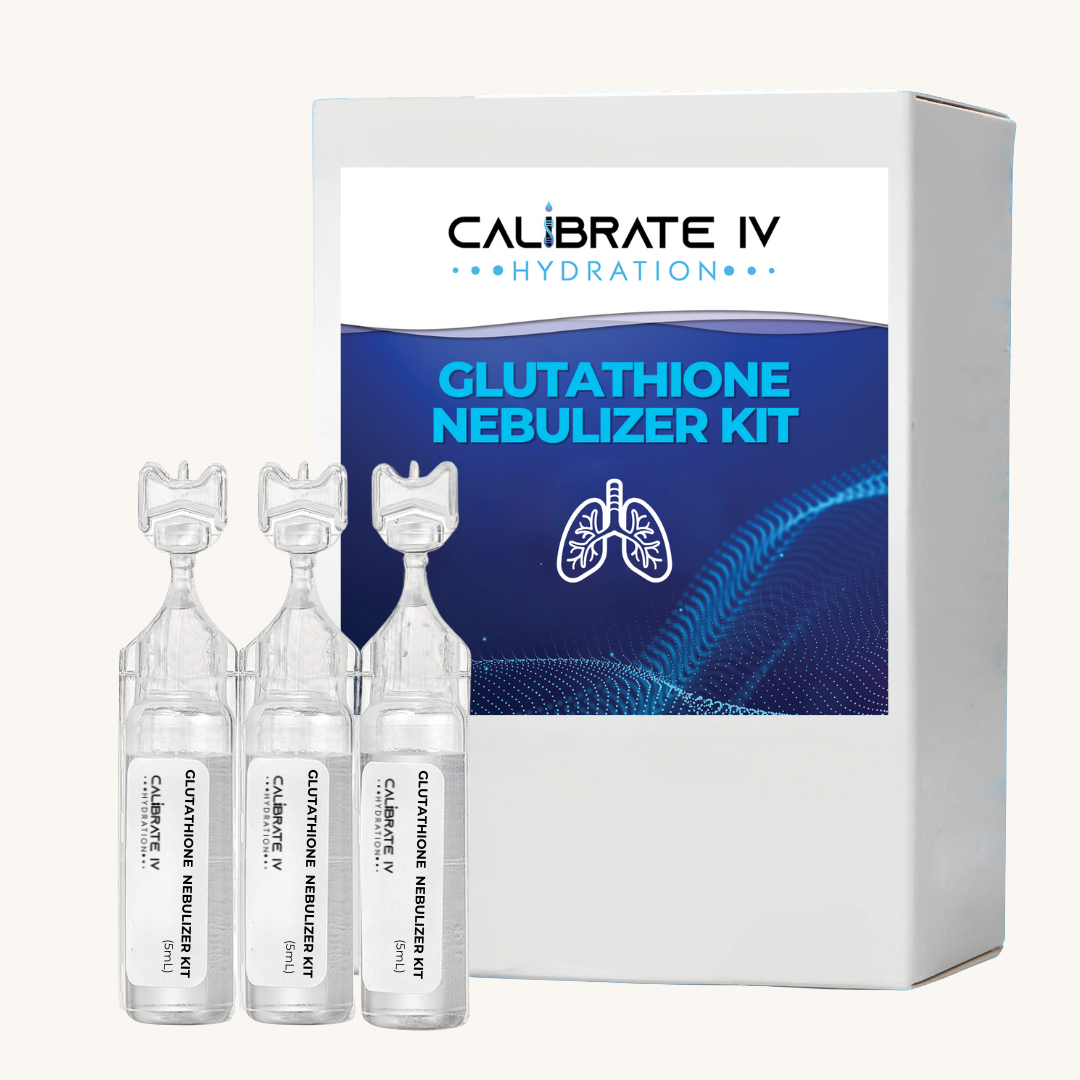
- Nebulizer vials: pre-measured glutathione solution intended to be aerosolized. This is the most common consumer route.
- Glutathione powder + saline mix: some kits require mixing. This increases variability and raises the need for strict sterile handling and correct concentration.
- “Inhalation” blends: less standardized combos that may include other ingredients. Be cautious about additional additives that weren’t meant for inhalation.
- Saline-only controls (not sold as a “glutathione” item): for personal experiment logic, some people compare glutathione sessions to saline sessions to see if the “ritual” is doing the effect.
Quality standards to look for
- Third‑party testing (COA and batch-specific verification). If you can’t find documentation, assume you’re the quality control.
- Clear concentration labeling (so you know what you’re inhaling).
- Inhalation compatibility: not every solution intended for the body is intended for aerosol delivery.
- Clean manufacturing statements (sterility/cleanroom language where applicable). Inhalation is unforgiving of sloppy quality.
- Conservative excipient lists: fewer “mystery additives” is usually better.
A consumer-reality note: quality usually costs more. If the price looks suspiciously low for a nebulizable formulation with testing, it’s a red flag worth respecting. For reference, many inhalation kits vary widely in cost; a typical consumer trial might run anywhere from roughly $20 to $100 depending on concentration, quantity, and brand. Your best move is to compare cost per serving and cost per dose rather than the total sticker price.
YouTube video (embedded)
Comparison of Common Options
Below is a practical comparison of common glutathione inhalation-adjacent options people consider when they search for the benefits of inhaling glutathione.
| Format | Typical Dose/Use | Pros | Cons | Cost | Best For |
|---|---|---|---|---|---|
| Nebulizer glutathione vials | Often 1×/day for 1–2 weeks in consumer trials (varies by label) | More standardized than DIY mixing; commonly marketed for inhalation | Irritation risk; equipment/cleaning required | Mid ($30–$120 per trial batch, varies) | People comfortable with nebulizers and tracking outcomes |
| Glutathione powder for mixing | DIY concentration depends on recipe; inconsistent consumer use | Potentially cheaper per gram; customizable | Higher variability; sterility/handling concerns | Low–mid ($15–$60 but depends on materials) | Only if product is explicitly labeled for inhalation and mixing is specified |
| Oral glutathione (capsules/tablets) | Often daily per label (varies; consumer range commonly 250–500 mg) | Easier, lower local irritation; fewer equipment steps | Outcomes may be slower/less obvious; “inhalation benefits” question doesn’t apply | Low–mid ($10–$50/month) | If you want a safer first trial than inhalation |
| Liposomal glutathione (oral/targeted) | Daily per label; not inhaled | Often marketed for improved absorption; more standardized than DIY | Still not inhalation; price may be higher | Mid ($20–$80/month) | Appearance-focused users who prefer non-inhaled routes |
| “Combined inhalation” blends | Varies widely by blend; follow label strictly | May target multiple goals at once | More ingredients means more unknowns for tolerance | Mid–high ($40–$150) | Only if ingredients are clearly inhalation-compatible and tested |
Buying Framework and Red Flags
Treat buying nebulized glutathione like buying inhalation-grade anything: you want documentation, clear instructions, and evidence of consistent manufacturing. Use this checklist before you pay.
- Label clarity: Does the product specify glutathione concentration, volume per dose, and exact “for nebulization/inhalation” instructions?
- Third‑party testing: Is there a COA or batch testing available (and matching the product batch)?
- Compatibility: Is the solution explicitly intended for aerosol/nebulizer use? (Not “skin” or “IV only.”)
- Ingredient transparency: Do you recognize most ingredients and do they make sense for inhalation?
- Equipment guidance: Does the brand tell you how to clean and maintain the nebulizer kit?
- Return/refund policy: If there’s a quality issue, can you get a refund?
- Price realism: Is the cost suspiciously low for a sterile/inhalation-oriented product with testing?
- Red-flag marketing: Does it promise guaranteed “whitening/clearing” results or claim to cure conditions? If yes, walk away.
Common Mistakes and How to Avoid Them
- Skipping the first-tolerance check: The biggest beginner mistake is assuming inhalation is “harmless.” Start at the label’s recommended approach and stop if irritation occurs.
- Not cleaning the nebulizer properly: Poor hygiene can irritate your airway and increase infection risk. Clean and store exactly as directed.
- Taking “skin” claims as a performance timeline: Even if you experience something, it’s usually not instantaneous. Don’t judge after two sessions.
- Changing multiple variables at once: If you change skincare, diet, sleep, and supplements while trialing, you won’t know what helped—or what caused side effects.
- Using DIY mixing without clear instructions: Wrong concentration, wrong solvents/excipients, or non-sterile handling can worsen tolerance.
FAQ
1) Is it proven that inhaling glutathione improves skin tone or appearance?
Not in the straightforward, guaranteed way marketing often suggests. Glutathione is an antioxidant, but inhalation-specific outcomes (especially skin “whitening” claims) are not consistently proven across studies. A cautious consumer view is: treat it as a possible add-on, not a verified result machine.
2) How long does it take to notice any benefits of inhaling glutathione?
If anything happens, people most often notice changes within a few weeks—though effects are usually subtle and inconsistent. A sensible self‑trial window is about 2 weeks for “tolerance and signals,” then reassess. If you see zero changes and have no side effects, you can decide whether it’s worth continuing.
3) What side effects are possible from glutathione nebulizer inhalation?
Common concerns include throat irritation, coughing, dryness, chest tightness (in sensitive people), headache, or nausea depending on the formulation. If you develop breathing difficulty, persistent cough, wheezing, or worsening symptoms, stop and seek medical advice.
4) Can you combine inhaling glutathione with oral supplements or other routines?
Many people do, but combining increases uncertainty—especially if you’re also using new skincare actives, other antioxidants, or respiratory products. Keep changes minimal during your trial. If you take medications or have asthma/allergy history, ask a clinician before stacking inhaled products.
5) Oral vs injection vs inhalation: which route is better for glutathione benefits?
“Better” depends on your goal and risk tolerance. Inhalation targets the respiratory tract and carries local irritation risks. Oral routes are easier but may be slower or less noticeable for certain outcomes. Injection/IV routes are medical interventions with different risk levels and require supervision. If your goal is general wellness, start with lower-risk options first unless a clinician advises otherwise.
A Practical 2-Week Experiment Framework
If you want a real consumer answer to the benefits of inhaling glutathione, run a structured self‑test. Here’s a cautious 2‑week framework that focuses on measurable signals and safety.
Before you start (Day 0)
- Choose one product that is explicitly intended for nebulization/inhalation and has clear concentration labeling.
- Clean your nebulizer kit and keep a consistent routine.
- Create a baseline: 1–2 photos (same lighting), plus 1 line daily notes for throat comfort, cough, energy, and any unusual symptoms.
- Decide your “stop rule”: e.g., if irritation persists beyond the session or you develop wheeze/chest tightness, stop immediately.
Week 1
- Days 1–3: Do your first sessions and watch for tolerance. If you feel throat burning, strong coughing, or breathing symptoms, stop.
- Days 4–7: Keep dose and timing consistent. Track whether any effects are improving, stable, or worsening.
- Optional “control logic” (not required): if you’re trying to separate ritual effects, you can note whether any relief/relaxation happens consistently—without changing other variables.
Week 2
- Continue consistent use if tolerated.
- Re-take photos around Day 10–14 and compare to baseline using the same lighting and distance.
- Assess “signal quality”: subtle redness reduction might be signal; dramatic claims without corroboration are usually noise.
Decision point (Day 15)
- If you had side effects: stop and don’t “re-test” immediately.
- If you had no side effects but also no signal: it may not be worth continuing.
- If you had mild, consistent benefits: you can decide whether to extend—but keep expectations modest and continue monitoring tolerance.
The goal isn’t to “force” benefits of inhaling glutathione. It’s to test safely and decide with data, not hype.
About the Author
My name is Jordan Miller. I’m a consumer wellness reviewer who focuses on supplementation routines, equipment-based products (like nebulizer workflows), and practical trial testing. I’ve written product-focused guides after experimenting with ingredient lists, dosing instructions, and side-effect patterns across common supplement categories, with a strong bias toward measurable outcomes and transparency rather than dramatic before/after claims.
Disclaimer: This article is for informational purposes only and reflects consumer-style experience and general education. It is not medical advice, does not diagnose, and does not promise results. If you have respiratory conditions, medication interactions, or a history of adverse reactions, consult a qualified clinician before using inhaled products.
Discussion