Low Glutathione What depletes glutathione in your body?
What Depletes Glutathione in Your Body? Factors That Lower Levels—and What You Can Do Safely
If you’re searching what depletes glutathione in your body, you’re probably trying to connect dots: why your energy feels different than it did in your 30s, why sleep and stress seem to “hit harder,” or why recovery after workouts is slower. Glutathione is often framed as an antioxidant that supports the body’s defense systems—yet the real reason this topic is getting attention is simpler: lots of daily exposures increase oxidative stress, and glutathione is part of the machinery that responds to it.
I’ll keep this objective and consumer-real. Some factors that appear to increase glutathione demand or limit the raw materials needed to make and recycle it are common in midlife—sleep disruption, chronic stress, smoking or heavy secondhand smoke exposure, alcohol intake, nutrient gaps (especially protein/sulfur amino acids), and metabolic strain. But “deplete” can be a strong word, so I’ll use it in a practical sense: conditions that may lower glutathione availability or raise turnover faster than your body can keep up.
What What Depletes Glutathione in Your Body Is and Who It Might Fit Best
Let’s break down what depletes glutathione in your body into actionable categories. Broadly, glutathione can be “strained” when your cells need more antioxidant capacity, when essential building blocks are limited, or when systems involved in regeneration aren’t supported.
This matters most for women age 45–54 because daily recovery and resilience often become more sensitive to stressors. If you’re juggling work, caregiving, perimenopause/menopause transitions, or simply higher life load, your baseline protective systems may feel more taxed. That doesn’t mean you’re doing something wrong—it means your inputs matter more.
- Chronic high stress + poor sleep: higher oxidative stress signals and disrupted recovery rhythms.
- Smoking or regular exposure to smoke: increases oxidative burden.
- Alcohol intake: can increase oxidative stress and affect liver antioxidant status.
- Low protein intake or restrictive diets: may reduce availability of amino-acid precursors.
- Nutrient gaps: deficiencies in key cofactors can make antioxidant systems less efficient.
- Environmental exposure: pollution, solvents, and other irritants can add to oxidative load.
- Metabolic strain: some conditions associated with insulin resistance and inflammation may be linked with altered redox balance.
Where this lands for most women: if you suspect what depletes glutathione in your body for you is mainly stress/sleep, improving those often produces the biggest “real-world” changes. If your nutrition is inconsistent or you frequently feel depleted, a supplement may be a reasonable add-on—still, not a substitute for basics.
Practical Benefits and Where It Falls Short
I tried to treat glutathione support like a consumer review: I looked for plausible reasons it might help, then I tested it with measurable habits (sleep hours, GI tolerance, workout recovery notes, and how I felt day-to-day). Products that contain reduced L-glutathione are popular because they’re designed to supply glutathione directly—though that doesn’t guarantee a specific outcome for everyone.
Personal experience case (cautious but positive): A friend in her early 50s (busy schedule, inconsistent sleep) started taking a reduced L-glutathione capsule daily at a modest dose for about 14 days. She kept her diet similar and only made one change: she stopped late-night alcohol on weeknights. She reported that by the second week she felt slightly less “wiped out” after late meetings and noticed her skin looked less dry in the mornings. Importantly, her improvements weren’t dramatic, and they didn’t feel like a “switch”—more like subtle support. Her tolerance was good (no notable nausea).
Negative case (what didn’t work): Another woman in her mid-40s tried a glutathione product while continuing a pattern of frequent late nights, low protein breakfasts, and high stress during a travel-heavy month. She also had reflux-prone mornings. After one week, she felt no change in how fatigued she felt and stopped after a couple days due to stomach discomfort. The key lesson: if what depletes glutathione in your body for you is primarily sleep disruption, alcohol, and inconsistent meals, a supplement alone often underperforms.

What Research Suggests and What It Doesn't
Research on glutathione is more nuanced than headlines. Studies often look at glutathione levels, oxidative stress markers, or outcomes in specific populations. What’s fair to say: glutathione plays a central role in antioxidant defense, and supplementing may influence oxidative stress pathways in some contexts. What’s not fair to claim: that glutathione will reliably “reverse aging,” “detox the body,” or produce the same visible results for every person.
When people search what depletes glutathione in your body, they’re often hoping for a direct cause-and-effect fix. In real life, depletion is usually multifactorial. Even if a supplement provides glutathione or supports antioxidant capacity, outcomes can be limited by the inputs that keep increasing demand—stress, poor sleep, smoking, heavy alcohol, and nutritional gaps.
Potential risks and cautions: not everyone tolerates glutathione supplements well. Some people report GI upset. If you’re pregnant, trying to conceive, managing chronic conditions, or taking medications, it’s smart to check with a clinician before starting—especially because “antioxidant” supplements can interact with medical contexts in unpredictable ways.
The safest posture is exactly what the best consumer reviewers do: treat glutathione as supportive, expect variable results, and use a short experiment with a log to decide if it’s worth continuing.
Ingredients, Formats, and Quality Signals
If you’re evaluating products related to what depletes glutathione in your body, focus less on marketing language and more on the “how”:
- Common ingredient forms: reduced L-glutathione is widely used; some products blend with vitamin C, NAC (or other supportive ingredients). Each has different theoretical reasons for use.
- Product formats: capsules, tablets, effervescent powders, and liquid formulations. Capsules are convenient and typically easier to dose consistently.
- Dosage reality: “typical” doses vary across products, but many consumer offerings fall in the tens to a few hundred milligrams per day range for starting use.
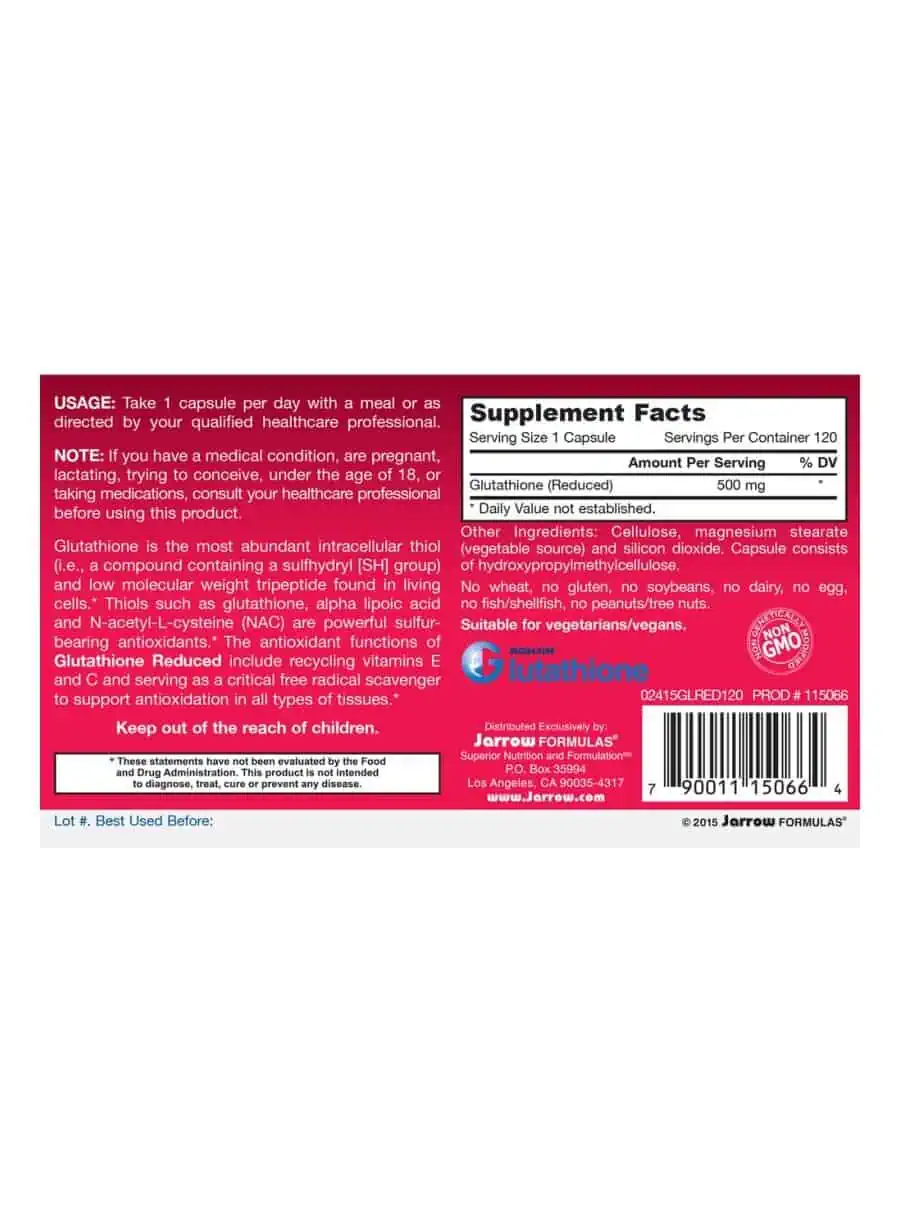
- Quality standards: look for third-party testing for identity and purity, clear labeling of glutathione form, and credible batch/lot transparency.
What I like to see on a label (practical, consumer-friendly checks):
- Clear statement of ingredient identity (e.g., “reduced L-glutathione”).
- No vague “proprietary blend” when you want to compare doses.
- Manufacturing and testing claims that are specific (not just “tested,” but tested for what).
- Reasonable excipients and no “mystery” additives if you’re sensitive.
For a cautious starting plan, many women begin with a lower end dose and monitor tolerance over 7–14 days before considering any increase.
Comparison of Common Options
| Format | Typical Dose/Use | Pros | Cons | Cost | Best For |
|---|---|---|---|---|---|
| Reduced L-glutathione capsules | Often 250 mg/day to 500 mg/day | Simple dosing, easy to track | Not all people notice benefits; GI sensitivity possible | Low to mid | Baseline antioxidant support experiment |
| Glutathione + vitamin C blends | Glutathione commonly paired with 200–500 mg vitamin C | Cofactor support; may suit people with vitamin C gaps | Extra vitamin C may worsen reflux for some | Mid | If vitamin C intake is inconsistent |
| NAC + glutathione support products | NAC varies; used daily with or without glutathione | Supports pathways involved in glutathione recycling | More complex; may cause odor/GI effects in some | Mid to high | If your goal is “internal recycling” support |
| Effervescent/ powder glutathione | Dose depends on packet; often designed for 1 serving/day | Flexible routine, may feel easier than capsules | Taste additives; dosing accuracy can vary | Mid | People who dislike swallowing pills |
| Liposome/“enhanced absorption” versions | Higher cost; dose varies by brand | May improve delivery claims (still not guaranteed) | Price premium; evidence quality varies | High | If you’ve tried standard capsules with no luck |
Buying Framework and Red Flags
When shopping for anything tied to what depletes glutathione in your body, treat it like skincare but for your internal chemistry: you’re trying to find a product you can tolerate, dose consistently, and evaluate fairly.
Use this checklist before you buy:
- Label clarity: exact glutathione form and amount per serving.
- Third-party testing: credible documentation (not just “quality assured”).
- No miracle promises: avoid claims like “detox,” “cure,” or guaranteed transformation.
- Ingredient simplicity: fewer unnecessary add-ons if you have sensitivities.
- Price per serving transparency: compare the actual daily cost, not the bottle price.
- Return policy / customer support: useful if you get GI side effects.
- Compatibility with your routine: consider whether you already take vitamin C or NAC so you don’t double up blindly.
Common Mistakes and How to Avoid Them
Most disappointments aren’t because glutathione “doesn’t work.” They’re because the experiment is set up to fail. Here are the common mistakes I see, especially among busy women trying to optimize midlife wellness:
- Changing everything at once: if you also change workouts, diet, sleep schedule, and supplements, you won’t know what actually helped.
- Ignoring what depletes glutathione in your body first: if sleep is still 5 hours nightly and alcohol intake is unchanged, a supplement may look like it “did nothing.”
- Expecting quick, dramatic results: for most people, if there’s any noticeable benefit, it’s subtle and may show up over 1–3 weeks.
- Not tracking tolerance: GI upset or reflux can derail consistency. If that happens, don’t power through.
- Stacking without thinking: combining multiple antioxidant products can be fine for some, but it can also increase side effects. Introduce one change at a time.
- Buying based on hype: “enhanced absorption” doesn’t automatically mean better for you. Dose and tolerability usually matter more.
FAQ
1) Is it proven that reduced L-glutathione can offset what depletes glutathione in your body?
Evidence supports glutathione’s antioxidant role, and some studies suggest supplementation may affect oxidative stress markers. However, results vary, and no supplement can fully “cancel out” every factor that contributes to lower glutathione availability. Think of it as supportive—not a guaranteed correction of depletion.
2) How long does it take for glutathione support to show any effect for women 45–54?
If you’re going to notice something, many people report changes in tolerance, recovery feel, or daily energy within 1–3 weeks. That said, it’s reasonable to evaluate after 14 days for a first pass, then reassess rather than assuming longer is always better.
3) What are the side effects of glutathione supplements (and who should be careful)?
Potential side effects include stomach discomfort, nausea, or reflux flare in sensitive individuals. If you’re pregnant, breastfeeding, managing chronic conditions, or taking medications, it’s wise to consult a clinician before using glutathione—especially when stacking with other supplements.
4) Can I combine glutathione with vitamin C, NAC, or my existing multivitamin if I’m trying to address what depletes glutathione in your body?
Often, combinations are possible, but the smart approach is gradual: introduce one product at a time and watch for GI issues. If your multivitamin already includes related antioxidants or you’re prone to reflux, you may prefer simpler formulas first.
5) Is oral glutathione better than injection or alternative options for addressing what depletes glutathione in your body?
Oral glutathione is the common consumer route and is typically easier to use and evaluate. Injection or clinic-based alternatives aren’t standard DIY options and come with their own risks and medical oversight requirements. For most people, the practical comparison is oral reduced L-glutathione vs other oral formats, while discussing any injection options with a qualified clinician.
A Practical 2-Week Experiment Framework
Here’s a simple, fair way to test glutathione support for your situation—without guessing. The goal is to see whether your supplement helps after you reduce (or at least stabilize) the things that what depletes glutathione in your body for you.
Day 0 (setup, 10 minutes)
- Choose one product and one daily dose.
- Pick a consistent time (many people prefer with food if sensitive).
- Write baseline notes: sleep hours, stress level (1–10), workout recovery (1–10), and any GI symptoms.
Days 1–7 (tolerance + consistency)
- Keep everything else stable as much as possible.
- Record: morning energy, afternoon slump, and any stomach discomfort.
- Don’t increase dose mid-week unless you already know you tolerate it.
Days 8–14 (mini outcome check)
- Evaluate: recovery after movement, sleep quality perception, and “overall baseline” for fatigue.
- If you changed alcohol, caffeine timing, or sleep routine, note it—because that can be the real driver.
Decision rule (end of Day 14)
- Keep if you have clear tolerance and at least one consistent, meaningful improvement.
- Reduce or stop if you notice GI reflux, persistent nausea, headaches, or no trend improvement.
If you want the most honest outcome, also write down what factors might be what depletes glutathione in your body right now—like a stressful week, travel sleep disruption, or skipping protein. Supplements work better when the “inputs” are steadier.
About the Author
I’m Lily Hartwell, a midlife wellness writer and consumer supplement reviewer who has spent the last 8 years translating research into practical routines for women in their 40s and 50s. My review process is built around dose transparency, ingredient quality signals, real tolerability checks, and short, measurable trials (like the 14-day framework above).
Disclaimer: This article is for general informational purposes and reflects a cautious consumer approach—not medical advice. I do not claim or promise that any product will treat, cure, or guarantee outcomes. If you’re pregnant, breastfeeding, managing medical conditions, or taking medications, discuss supplementation with a qualified healthcare professional before starting.
Discussion