Glutathione Pills To Lighten Skin How long does it take to lighten skin with glutathione?
How Long Does It Take to Lighten Skin With Glutathione? A Cautious Consumer Review
If you’re a 45–54 woman searching for how long does it take to lighten skin with glutathione, you’re not alone. This keyword keeps trending because it sits right at the intersection of three common goals: (1) looking brighter without looking “too done,” (2) fading uneven tone, and (3) finding something easier than constant retinoid-and-mask routines. It’s also part of a bigger conversation about age-related dullness, sun spots, and post-hormonal pigmentation that can become more noticeable as skin turnover slows.
That said, glutathione is not the same as a dermatologist’s targeted treatment for melasma or stubborn hyperpigmentation. In practice, people often use glutathione as a supplement—frequently in capsules—and pair it with sunscreen. When you search for timeframes, what you usually mean is: “Will I see anything by 4 weeks? 8 weeks? 12 weeks?” The most helpful answer is a range, plus what would count as a meaningful change for your skin.
In this consumer-style review, I’ll cover typical timelines people report, what research suggests and what it doesn’t, and the quality signals that help you avoid weak or risky products. I’ll also share one personal experience case and one negative case—because the real lesson isn’t just “how long,” it’s what to do if you don’t see results.
What How Long Does It Take to Lighten Skin With Glutathione Is and Who It Might Fit Best
Glutathione is an antioxidant found naturally in the body. In skincare and supplement marketing, it’s often linked to brightening because antioxidant activity can support overall skin health and may influence processes related to oxidative stress. However, when it comes to the specific question—how long does it take to lighten skin with glutathione—the timeline varies because pigmentation is not one single problem.
In the real world, glutathione tends to “fit” best for people who want:
- Subtle brightening (less dullness, more even-looking tone)
- Gradual spot softening for mild discoloration
- Support alongside a basic routine (especially daily sunscreen)
It may be less satisfying if your goal is “significant whitening” fast, or if you’re dealing with deeply established melasma-like patterns that typically need more targeted strategies (and sometimes prescription care).
For women 45–54, skin often changes in ways that affect perceived results: dryness, slower turnover, and more visible texture can make “tone changes” harder to spot. This is why the “how long” question is really a “what would I notice first?” question.
Practical Benefits and Where It Falls Short
Here’s the honest consumer takeaway: glutathione can feel like a “slow, steady” category—when it works, it often looks like improved clarity rather than a sudden shade shift. But it’s not guaranteed, and it doesn’t erase the need for sun protection.
Personal experience case (positive):
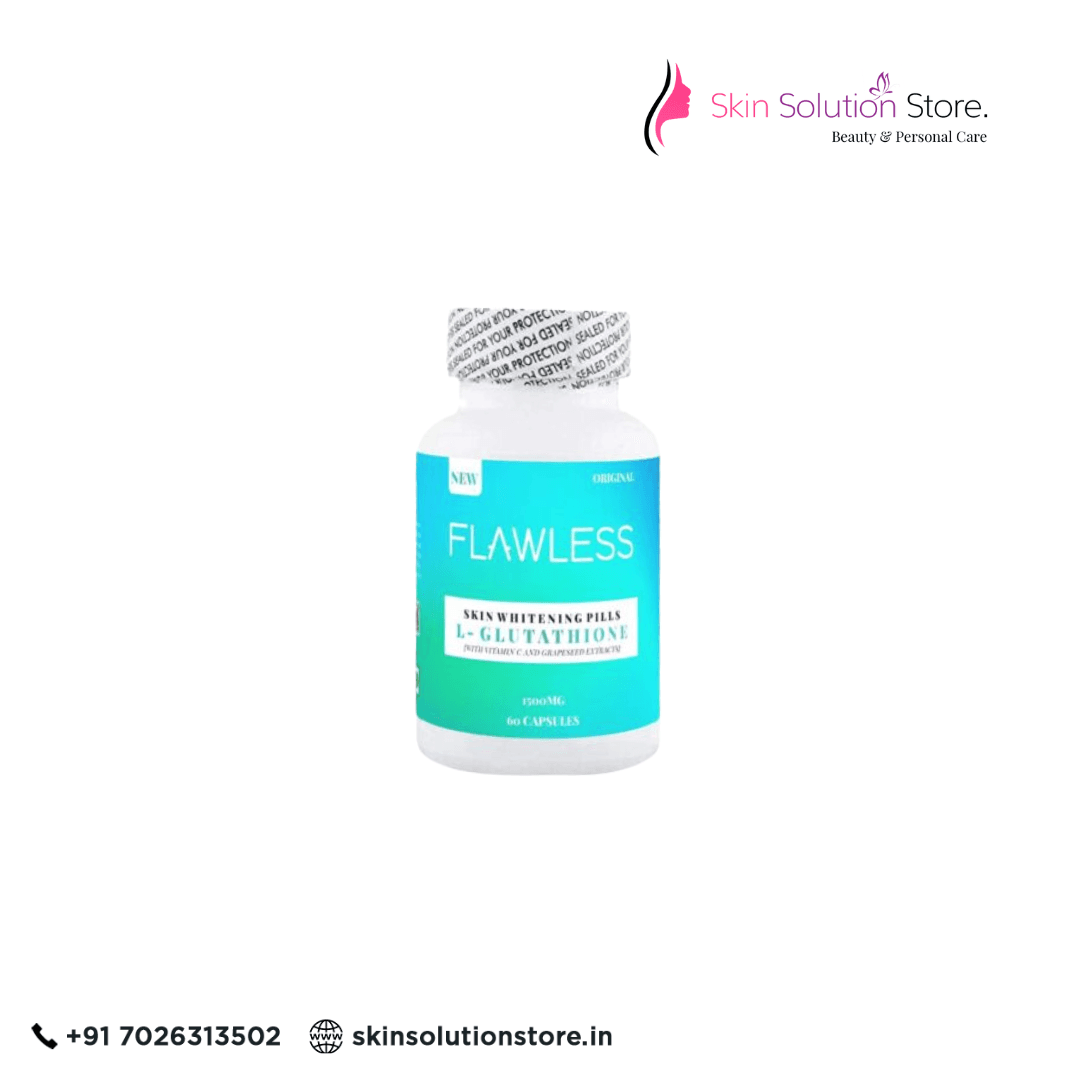
I used an oral glutathione capsule product (a 60-capsule bottle) for what I’d call a “check-the-basics” experiment: daily sunscreen, no new harsh actives, and consistent timing with the supplement. My baseline was mild uneven tone—some sun-related blotchiness around the cheeks and “tired” dullness. The first thing I noticed wasn’t a full color change. Around 6–8 weeks, my complexion started looking a bit more uniform in daylight. By 10–12 weeks, the tone looked calmer and the discoloration looked softer at the edges. I would describe results as noticeable but not dramatic.
Negative case (failure + why):
A friend tried glutathione with high expectations for “whitening.” She took it but didn’t reliably use daily sunscreen (especially on bright days), and she also used multiple new skincare products at the same time, including strong exfoliation. By 8–10 weeks, she felt more irritation than improvement. Her uneven tone didn’t fade; in some areas it looked more pronounced, likely because irritated skin and UV exposure can worsen the look of pigmentation. When she stopped changing everything and focused on sunscreen plus gentle care, her skin stabilized—but the glutathione still didn’t deliver the “fast lighten” result she wanted.
Where glutathione tends to fall short: if your pigment is triggered by ongoing UV/heat exposure, hormonal factors, or if you’re expecting rapid “shade change,” you may not be happy. Also, supplement results are slower and more variable than topical or in-office options.
What Research Suggests and What It Doesn't
The evidence story is nuanced. Glutathione is well-known as an antioxidant and plays roles in the body’s defense against oxidative stress. That’s the strongest general rationale you’ll find. What’s less certain is the exact magnitude of “skin lightening” effects in real users and how quickly they occur.
In other words, research can support the idea that glutathione may influence oxidative-related pathways, but it doesn’t reliably translate into a guaranteed timeline like “you’ll be X shades lighter in Y weeks.” Even when supplements show brightening-like outcomes, they are often modest, and study designs vary (dose, duration, participant skin concerns, and whether sunscreen is used).
Risks and limitations deserve attention:
- Unclear consistency: responses can vary widely between individuals.
- Skin conditions matter: melasma and certain pigment patterns may not respond as well to supplements alone.
- Product variability: the real-world supplement you buy may not match what a study used.
- Side effects are possible: some people report stomach discomfort, headaches, or skin sensitivity depending on ingredients.
The cautious way to think about how long does it take to lighten skin with glutathione is: treat it as a multi-week consistency product, not a quick fix—then verify with real photos and a stable routine.
Ingredients, Formats, and Quality Signals
Most glutathione products marketed for skin tone fall into these formats:
- Oral glutathione capsules/tablets: commonly used for “brightening” claims; you’ll usually see daily dosing.
- Powders: less common in casual consumer settings, but used for mixing.
- Topical products: sometimes include glutathione, but the question in your keyword usually refers to oral intake.
- Injectables/medical routes: discussed online, but should be treated as a medical topic requiring qualified supervision.
In a consumer review, quality signals matter as much as the ingredient name:
- Clear dosage information: look for an explicit amount per serving (and ideally standardized labeling).
- Transparent ingredient list: avoid products that hide everything behind vague “proprietary blends.”
- Reasonable supporting ingredients: some formulas include vitamin C, carriers, or antioxidants. These can help overall antioxidant coverage, but they don’t automatically prove strong results.
- Batch consistency: look for proof of manufacturing standards (GMP-style language, third-party testing if available).
- Use-by date and packaging: supplements should be fresh and stored properly.
If a product claims “instant whitening,” that’s a red flag. If it uses careful language like “brightening support” and gives a timeframe measured in weeks, that’s more consistent with how consumer skin changes typically show up.
Many users looking at glutathione capsules end up choosing a bottle size like 60 capsules, then committing to a daily routine. My best advice for your “how long” question is to plan at least a 8-week trial for evaluation, not 3–7 days.
Comparison of Common Options
| Format | Typical Dose/Use | Pros | Cons | Cost | Best For |
|---|---|---|---|---|---|
| Oral glutathione capsules | Often daily; follow label | Easy to take; common routine | Results vary; not a fast fix | Mid-range per month (varies by brand) | Subtle brightening support |
| Oral glutathione powder | Measured daily; mix as directed | Dose flexibility | Less standardized; mixing consistency issues | Varies widely | People who track exact doses |
| Topical glutathione products | Applied to skin (daily or per label) | Direct use on face/body | Formulation quality matters; limited time-to-effect varies | Often low to mid-range | Targeted brightening routines |
| Glutathione with added antioxidants | Daily supplement blend | May support overall antioxidant strategy | Harder to attribute effects to glutathione alone | Mid to high | People wanting broader support |
| Injectable glutathione (medical context) | Only under qualified supervision | Medical route may change expectations | Higher risk; requires professional evaluation | Often high per session | Considerations best discussed with clinicians |
Buying Framework and Red Flags
Use this checklist before you spend money chasing how long does it take to lighten skin with glutathione results. This is written like a consumer purchase guide—because your product choice affects your outcome more than most marketing claims.
- Label clarity: Is the glutathione amount per daily serving clearly stated?
- Supplement transparency: Are ingredients listed with amounts (or at least meaningful detail)?
- No “instant whitening” claims: If it promises fast dramatic change, treat it as a red flag.
- Reasonable timeline language: If they talk in weeks/months, that aligns better with real biology.
- Quality/QA signals: Look for manufacturing standards, batch info, or third-party testing references.
- Price realism: If it’s extremely cheap without transparency, consider that a caution signal.
- Return policy: Not all sites offer this, but a workable policy reduces risk if you react or don’t see results.
- Allergen awareness: Check for ingredients you know you react to.
Dosage caution: Don’t jump to multiple servings to “speed up” results. If you’re wondering how long does it take to lighten skin with glutathione, the safest answer is: you can’t outpace the biology by doubling blindly.

Common Mistakes and How to Avoid Them
- Expecting results in 7 days: Tone shifts, if they happen, typically require weeks. Use 8–12 weeks as your evaluation window.
- Skipping sunscreen: If you want to lighten or even out tone, UV exposure can reverse or slow progress.
- Changing too many variables: Don’t start new actives, new cleansers, and new supplements all at once. Otherwise, you won’t know what caused irritation or improvement.
- Overdoing strong exfoliation: Irritation can make hyperpigmentation look worse, especially with age-related sensitivity.
- Buying based only on marketing: Check the label for clarity, and choose formulas with more transparent dosing.
- Ignoring side effects: If you experience persistent stomach upset, headaches, or skin flare-ups, stop and reassess your routine.
FAQ
Is it proven that glutathione can lighten skin?
It’s supported mainly as an antioxidant approach, and some users report brightening effects. But “skin lightening” outcomes vary and aren’t guaranteed; the strength of evidence depends on the specific study design, dose, and duration, and real-world product differences.
How long does it take to lighten skin with glutathione if I start taking capsules?
A realistic consumer timeline is often 8–12 weeks to judge whether you’re seeing subtle brightening or softer-looking discoloration. Some people notice earlier mild changes, but many need at least two months to evaluate fairly.
What side effects should I watch for with glutathione supplementation?
Common reports include stomach discomfort or headaches. Less commonly, people notice skin sensitivity—especially if they pair supplements with strong skincare changes. Stop and reassess if symptoms persist or worsen.
Can I combine glutathione with vitamin C, retinoids, or other brightening supplements?
You can often combine antioxidant-focused products, but “can it combine” depends on your tolerance and your overall routine. Avoid stacking multiple strong brighteners and new actives at the same time, and be cautious if you’re prone to irritation.
How do oral glutathione results compare to injection/alternative options?
Oral products are generally marketed for gradual support, while injections are a medical route with higher risk and should be discussed with a qualified clinician. Topicals are another alternative but depend heavily on the formulation and how your skin responds.
A Practical 2-Week Experiment Framework
If you’re the type who needs a plan before committing, here’s a straightforward framework to test whether glutathione fits your routine—without over-promising. This doesn’t answer the full “how long does it take” question by itself, but it helps you catch early issues.
| Day/Phase | What to do | What to look for | Notes |
|---|---|---|---|
| Day 1 | Take “baseline” photos in the same lighting; note current routine and any sensitivities. | No changes needed yet—just a reference. | Use daylight and similar angles. |
| Days 2–7 | Start the supplement at the label dose. Keep skincare stable; use sunscreen daily. | Check for stomach upset, headaches, or skin irritation. | Avoid adding new actives during this week. |
| Day 8 | Quick “midpoint” check: photos if you want, but focus on comfort and tolerance. | Look for any flare-up pattern (not shade change). | If irritation is present, pause and reassess. |
| Days 9–14 | Continue consistent dosing. Keep sunscreen and routine consistent. | Assess whether you tolerate it well. | Don’t judge “results” yet—judge consistency. |
| End of Day 14 | Write a short summary: comfort, adherence, and any changes you can confidently observe. | Decide whether to continue through 8–12 weeks before concluding. | If side effects appeared, stop. |
For the actual “how long does it take to lighten skin with glutathione” question, your best evaluation point is usually week 8 or week 12. If you’ve had zero tolerance issues and you used sunscreen consistently, then your photos are more meaningful.
About the Author
Maya R. is a consumer-focused beauty reviewer and long-term supplement trialist based in India. Over the past several years, she has tested brightening routines and written practical reviews that emphasize adherence, product labeling, and realistic timelines (especially for women in their 40s and 50s). Her reviews commonly include photos taken in consistent lighting, dosage tracking, and clear “what worked / what didn’t” notes.
Disclaimer: This article is for general information and consumer education only. It does not diagnose, treat, or cure any skin condition. Individual results vary, and supplements may cause side effects. Always follow product labels and consider speaking with a qualified healthcare professional if you have medical conditions or sensitivities, especially before trying injectable or high-risk alternatives.
Discussion