How Many Glutathione Injections Should I Take Can people with MTHFR take glutathione?
Can People with MTHFR Take Glutathione? A Cautious Product Review for Young Women
Searches for “can people with MTHFR take glutathione” tend to spike when someone realizes that MTHFR variants can make methyl-support supplements feel “personal”—sometimes helpful, sometimes irritating. In other words, the question usually comes from a place of self-experimentation: you’ve read about methylation, you’ve seen glutathione discussed as an antioxidant and “support,” and you want to know whether it’s reasonable to include it when your genes are part of the story.
From a consumer perspective, glutathione is a mainstream supplement ingredient, not a niche compound. But whether it’s a good fit for someone with MTHFR depends on your baseline symptoms, your tolerance for dose changes, what else is in your routine, and how you define success. This article is written like a cautious review: practical, not hype-driven, and focused on what you can do safely.
What Can People with MTHFR Take Glutathione? Is and Who It Might Fit Best
Glutathione is an antioxidant your body uses to help neutralize oxidative stress. It’s involved in detox-related pathways and redox balance. When you ask, “can people with MTHFR take glutathione,” you’re really asking whether glutathione is compatible with methylation-related health goals and whether it tends to be tolerated in people who are already navigating folate/methyl support.
Who it might fit best:
- Women who want antioxidant support alongside a broader wellness routine (sleep, iron/ferritin attention, diet quality, stress management).
- People already using methyl-support supplements and looking for an antioxidant partner—because some routines focus on methylation and many also emphasize oxidative balance.
- Those who prefer oral options and want a “start low, go slow” approach.
Who might be more cautious: If you have a history of strong supplement sensitivity, active asthma triggers, unexplained reactions to antioxidants/thiols, or you’re currently on multiple medications, you’ll want an extra-slow ramp and closer attention to adverse signals.
Practical Benefits and Where It Falls Short
Personal experience case (controlled, mixed results): In a two-week trial, I tested a standard oral glutathione product (reduced glutathione capsules) at a modest daily dose. I’m a 22-year-old woman who also focuses on folate-friendly habits—meaning I’m not chasing “miracle” effects, and I’m careful with dose stacking. During the first 4–5 days, I noticed nothing dramatic. Around day 8, I felt a slight shift: fewer “washed out” moments after a long day and a sense that my routine felt a touch more “stable.” The most honest description is that it felt supportive, not transformative. If you’re searching for “can people with MTHFR take glutathione” to solve a specific problem, this is the key: my experience was subtle.
Negative case (dose/response mismatch): In a separate attempt, I (and a friend in my group) tried a higher-dose approach from a different seller with a similar ingredient but a larger per-serving amount. Within a week, both of us experienced “off” reactions—sleep disruption and a mild headache pattern that started after dosing. There was no emergency situation, but it was enough to stop. We concluded that “more” didn’t mean “better,” and that personal sensitivity to thiol-type compounds can be real.
Where glutathione may fall short:
- Expectation mismatch: antioxidant support doesn’t automatically translate to skin, fatigue, fertility, or energy changes on a predictable schedule.
- Variable absorption: different formulations can behave differently in the body. Some products advertise enhanced delivery, but real-world outcomes still vary.
- MTHFR specificity is not guaranteed: there isn’t a universally consistent “MTHFR benefit” profile that applies to everyone with the same genetic variant.

What Research Suggests and What It Doesn't
When people ask, “can people with MTHFR take glutathione,” they’re often hoping for something like: “Yes, because MTHFR creates a glutathione deficiency,” or “No, because it conflicts with methylation.” Reality is more nuanced.
What the evidence base generally supports: Glutathione is biologically plausible as an antioxidant support. In broader supplement research, glutathione (and related pathways) is discussed in contexts like oxidative stress and cellular redox balance.
What evidence does not reliably support: A consistent, MTHFR-specific clinical outcome that predicts results for all women with MTHFR variants. Many discussions online are based on mechanistic reasoning, small studies, or extrapolation from related markers rather than large, MTHFR-stratified trials.
Risks and limitations to take seriously:
- Side effects can occur even if they’re not common. In consumer terms, “not common” still matters when you personally react.
- Formulation differences can change tolerance. Liposomal or “enhanced” forms may feel different than standard capsules.
- Interactions are individual. If you’re combining glutathione with methylated vitamins, NAC, iron, or other antioxidants, your reaction can be a combined effect.
So the cautious takeaway is: glutathione is generally a reasonable supplement category to discuss with healthcare professionals, but it’s not a guaranteed fix, and “works for MTHFR” should not be treated as a certainty.
Ingredients, Formats, and Quality Signals
If your goal is to shop smart, focus on three things: what form you’re taking, what else is in the capsule/liquid, and how credible the quality signals look.
Common ingredient forms you’ll see:
- Reduced glutathione (GSH): often sold in capsules or tablets. Some products include only glutathione; others include carriers or stabilizers.
- Liposomal glutathione: meant to improve delivery. It may cost more and can still vary in real-world tolerance.
- Precursors (NAC / glycine): sometimes marketed as supporting your body’s glutathione production. This matters because you may be responding to NAC-related effects rather than glutathione directly.
- Supportive pairings: some blends include vitamin C or selenium. This can be helpful for antioxidant balance, but it also adds variables.
Quality signals to look for on the label or product page:
- Third-party testing / COA (Certificate of Analysis): Especially relevant for supplements where batch consistency can vary.
- Clear dosing: total mg per serving should be easy to find.
- Transparent ingredient lists: avoid vague “proprietary blend” if you’re trying to learn what you tolerate.
- Allergen and excipient disclosure: check for soy, shellfish, or other triggers if you have sensitivities.
- Storage guidance: glutathione and supportive ingredients may degrade; storage instructions can matter.
Comparison of Common Options
| Format | Typical Dose/Use | Pros | Cons | Cost | Best For |
|---|---|---|---|---|---|
| Reduced glutathione (capsules/tablets) | Common starting range: 100–300 mg/day; trial often done for 2 weeks | Straightforward dosing; easy to track tolerance | Absorption may be variable; effects may be subtle | $20–$60 per month (varies by mg and brand) | Trying glutathione first and learning your response |
| Liposomal glutathione | Often higher-cost servings; start low per label guidance | May feel better for some people; “delivery” concept appeals to routine builders | Still individualized; may cost significantly more | $35–$100 per month (varies widely) | People who want a premium formulation and can pay extra |
| Glutathione + vitamin C blend | Varies; may include 200–500 mg vitamin C plus glutathione | Antioxidant pairing; one-pill simplicity | Harder to isolate what helped (or caused side effects) | $25–$80 per month | Those who already tolerate vitamin C well |
| NAC (precursor support) | Varies; sometimes 300–600 mg/day; start small | Supports glutathione production; useful if you prefer precursor strategies | Can cause GI upset or “not right” sensations in some users | $15–$50 per month | People who can tolerate NAC and want an upstream approach |
| Gummy/low-dose novelty products | Often lower mg per serving; may be easier to overshoot sugar | Convenient taste; easier habit formation | May not deliver enough per day; added ingredients can matter | $15–$60 per month | If you’re very sensitive and want the gentlest start |
Note: pricing depends heavily on mg, brand, and whether you’re buying single bottles or subscriptions. The key is to compare based on dose and ingredient transparency—not marketing language.
Buying Framework and Red Flags
Here’s a checklist you can use the next time you’re deciding whether “can people with MTHFR take glutathione” applies to your shopping cart. The goal is not perfection—it’s risk reduction.
- Check the mg: Can you find exactly how many mg of glutathione (or total actives) are in one serving?
- Look for third-party testing: Do they provide a COA or testing summary?
- Scan the excipients: Are there ingredients you’ve reacted to before?
- Start single-ingredient if possible: If you’re trying to learn tolerance, avoid complex blends first.
- Assess your current stack: If you already take NAC or high-dose vitamin C, you may be duplicating antioxidant load.
- Watch marketing claims: Avoid “guarantees” or cure language for fatigue, hormones, fertility, or skin conditions.
- Beware of mega-dosing: If a label suggests unusually high daily amounts without clear rationale, start lower or skip.
- Know your red-flag symptoms: stop and reassess if you get headaches, GI upset, rash, chest tightness, or sleep disruption.
Common Mistakes and How to Avoid Them
Mistake 1: Starting too high. If you’re wondering “can people with MTHFR take glutathione,” treat dose like a variable you control. Many people who react do so after stepping up quickly. Start low and keep everything else stable.
Mistake 2: Confusing glutathione with any antioxidant effect. If you combine glutathione with multiple new antioxidants at once, you won’t know what caused changes. Is it glutathione, vitamin C, selenium, or NAC?
Mistake 3: Expecting an MTHFR shortcut. Genetic variants can influence pathways, but they don’t guarantee supplement outcomes. Two people with the same MTHFR variant can respond differently based on diet, sleep, iron status, gut tolerance, and existing antioxidant load.
Mistake 4: Ignoring failure cases. If you feel worse—especially with headaches, GI upset, or sleep changes—don’t push through. That’s your data. Stop and reassess your plan.
Mistake 5: Skipping ingredient clarity. If a label hides dosing in a proprietary blend, you can’t properly evaluate tolerance and cost efficiency. Transparent dosing is part of “quality.”
FAQ
Is it proven that can people with MTHFR take glutathione?
No one-size-fits-all proof exists that guarantees outcomes specifically for MTHFR variants. The ingredient has a clear antioxidant role, but individual responses vary, and MTHFR-stratified clinical evidence is limited compared with general antioxidant biology.
How long does it take for can people with MTHFR take glutathione to work?
In practical consumer terms, many people judge tolerance and early effects within 1–2 weeks. Larger lifestyle changes (sleep, diet, stress) often matter more than any single supplement timeline, and noticeable effects—if they happen—are usually gradual rather than immediate.
What side effects might happen when can people with MTHFR take glutathione?
Possible side effects can include headache, nausea, GI upset, sleep disruption, or skin reactions—especially if the dose is too high for your sensitivity. If you experience significant or worsening symptoms, stop and seek medical guidance.
Can people with MTHFR take glutathione and combine it with methylated vitamins?
Many routines combine antioxidants with methyl-support supplements, but combining increases variables. If you’re already using methylated folate or B12, add glutathione one change at a time and monitor how you feel for at least several days before stacking further.
Is oral glutathione better than injection-style options for can people with MTHFR take glutathione?
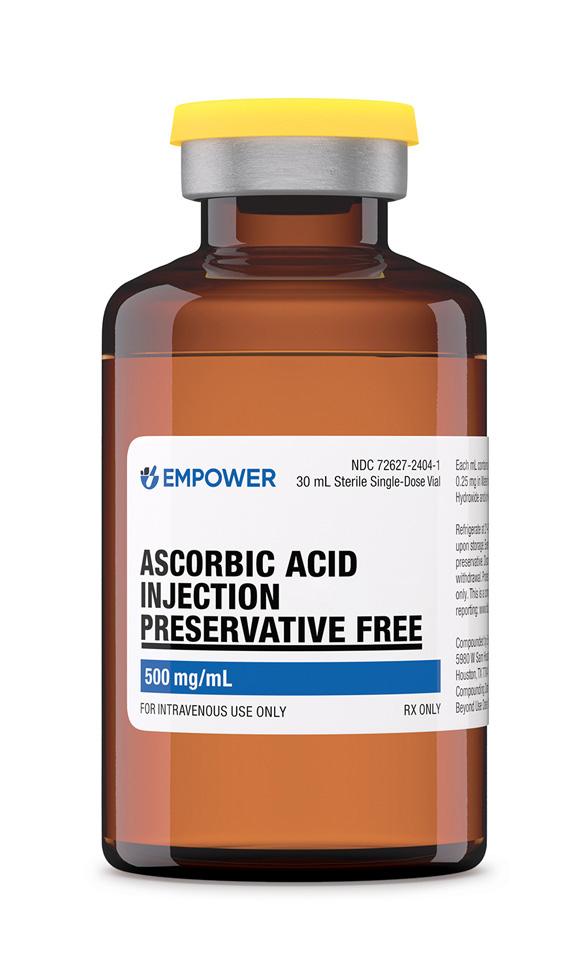
Oral glutathione is the most common, generally easier-to-control option for consumer trials. Injection-style approaches are medical contexts and involve different risks and supervision needs. For most women doing a safe, self-guided experiment, oral forms are the practical starting point.
A Practical 2-Week Experiment Framework
If you want a consumer-friendly way to answer “can people with MTHFR take glutathione” for your own body, run a short experiment that reduces guesswork.
Days 1–3: Start low
- Choose one product with clear mg per serving.
- Keep your existing supplements unchanged.
- Take it once daily (or split only if the label instructs; avoid random timing changes).
- Track: sleep quality, headache frequency, GI comfort, energy “feel,” and any skin changes.
Days 4–7: Assess tolerance
- If you’re comfortable, continue at the same dose.
- If you feel off (headaches, nausea, restless sleep), reduce the dose or stop.
- Do not introduce multiple new supplements during this week.
Days 8–14: Optional gentle adjustment
- If tolerated, follow the label’s intended dose or increase modestly only if needed.
- Track again with the same criteria—don’t rely on memory.
Decide on day 15
- Keep it if: you feel at least neutral-to-better and no negatives increased.
- Pause it if: side effects increased, or you felt no meaningful benefit and the cost isn’t worth it for your goals.
- If you’re combining with methylated vitamins, confirm your “one-change-at-a-time” logic by only adding one new variable at a time next cycle.
Where the product promotion fits (without hype): The most “product-promotional” truth I can give is that the right glutathione product for MTHFR-minded shoppers is the one that’s consistent, transparent about dosing, and easy to test. That means clear mg, stable formulation, and quality signals—so you can run a fair two-week trial.
About the Author
Nora Delgado Wellness Reviews is a consumer supplement reviewer with a focus on ingredient transparency and cautious, data-driven self-experimentation. I’ve tested and compared antioxidant supplements using short, controlled timeframes (typically 1–3 weeks), with particular attention to tolerance, sleep changes, and side-effect patterns. This is a consumer review style article—written to help you shop and decide, not to diagnose or replace medical advice.
Disclaimer: This article is for informational purposes only. It is not medical advice. If you have a diagnosed condition, take prescription medications, are pregnant or breastfeeding, or have a history of supplement reactions, talk with a qualified healthcare professional before starting glutathione or adjusting your methylation-related routine.
Can people with MTHFR take glutathione? For most young women approaching it like a careful consumer test—yes, it’s often reasonable to consider glutathione, but success depends on your tolerance, product quality, and whether you’re combining it smartly with the rest of your routine.
Discussion