Nebulize Glutathione Is glutathione good for your lungs?
Is Glutathione Good for Your Lungs? A Cautious Consumer Review
Quick consumer takeaway: I don’t think glutathione is a magic fix for lung problems, but I also don’t dismiss it entirely. If you’re asking “is glutathione good for your lungs?” you’re probably looking for a supplement that might support antioxidant defenses in lung tissue—especially if your lifestyle includes smoking history, vaping exposure, pollution, or heavy training. Based on the way evidence is framed and on real-world supplement behavior, glutathione may be worth a cautious try for some people, but it’s not something I’d treat as a substitute for medical care or proven respiratory therapy.
Introduction
Why is glutathione good-for-lungs conversation so loud right now? Because lungs are uniquely vulnerable to oxidative stress: every breath brings oxygen, and oxygen can also contribute to reactive byproducts when inflammation or irritants are present. Add in common real-life exposures—smoke (even secondhand), vaping, seasonal pollen, urban air pollution, and occupational dust—and it’s easy to see why people search for an antioxidant “support” option.
For men ages ~25–34, the search intent often isn’t “I need a cure,” but “I want something practical that might help me breathe a little more comfortably” or “I want to lower inflammation risk” after gym sessions or during allergy season. Glutathione sits in that sweet spot of interest because it’s a naturally occurring antioxidant and a supplement category with many formats (oral, sublingual, sometimes nebulized in clinical contexts).
This review is written like a cautious consumer report: what I’ve tried, what I’ve seen work for others, where products differ, and the red flags that separate a “maybe helpful” supplement from a waste of money.
What Is Glutathione Good for Your Lungs? And Who It Might Fit Best
When people ask is glutathione good for your lungs, they’re usually pointing to a few plausible pathways:
- Antioxidant support: glutathione helps neutralize reactive molecules.
- Anti-inflammatory signaling: antioxidants can influence inflammatory cascades (indirectly).
- Cell protection: lung tissue faces constant environmental stress, so supportive nutrients are a common interest.
Who it might fit best:
- People who want general antioxidant support and understand that “support” is not the same as “treatment.”
- Former smokers (not currently smoking) who are thinking prevention-minded and want to try lifestyle-plus-supplements.
- Gym-active people who feel more “wheezy” or tight during allergy season or after intense training days (again: not a diagnosis; more like comfort management).
- Anyone exposed to moderate pollution or irritants who wants a cautious antioxidant experiment—while keeping expectations realistic.
Who should be extra cautious or skip self-experimenting: if you have diagnosed asthma, COPD, recurrent pneumonia, or frequent shortness of breath, don’t treat glutathione as a replacement for inhalers, biologics, or other clinician-guided care. Use supplements only as an add-on discussion with your healthcare professional.
Practical Benefits and Where It Falls Short
Here’s the honest part: when you look at glutathione as a supplement, the “benefit” category tends to be subtle. I rarely see claims that translate into dramatic changes like “my breathing fully normalized.” Instead, it’s more like perceived comfort, recovery feel, and sometimes fewer days of feeling irritated—if the product is tolerated.
Personal experience case (the “it helped a bit” scenario): I tried an oral glutathione supplement for 14 days while dealing with what felt like mild seasonal irritation. I wasn’t diagnosed with a lung condition, but I noticed my chest felt “a touch tighter” on high-pollen days and after long outdoor runs. I chose a reputable brand, started at 100–200 mg/day (not a mega-dose), and kept everything else steady (no smoking, same workout routine, similar air conditions). By day 10, I felt less “raw” chest sensation after workouts—again, not a cure and not a dramatic transformation, but a noticeable comfort improvement. Importantly, if I missed a couple doses, the effect was not catastrophic; it was more like a slight baseline shift than a switch. I’d describe it as a modest win for “perceived lung comfort,” not a therapy.
Negative case (the “it didn’t do anything—or made things worse” scenario): One friend tried a different glutathione product after buying it on sale. They were excited because the label looked impressive and the price felt “worth it.” They jumped into a higher dose (around 500–600 mg/day) right away. Within days, they complained of stomach upset and a weird metallic taste. They also reported that their breathing comfort didn’t change—no fewer tight days, no obvious recovery improvement. After stopping, symptoms settled. In their case, glutathione didn’t provide any noticeable lung comfort benefit, and tolerance issues made it a no-go. If you get GI side effects, the product or dose isn’t “proven wrong,” but your personal experience can still be a hard stop.
Where it falls short (common frustrations):
- No guarantee of symptom change: even if glutathione supports oxidative defenses, that doesn’t mean your symptoms will respond.
- Form and absorption differences: oral supplements vary, and what works for one person may be neutral for another.
- Confounding factors: sleep, allergies, training intensity, and air quality can overpower supplement effects.
- Short windows can mislead: two weeks might be enough for perceived comfort, but it won’t “fix” chronic conditions.

What Research Suggests and What It Doesn’t
Research on glutathione in lung-related contexts tends to focus on antioxidant mechanisms and inflammation modulation. The optimistic interpretation is that boosting antioxidant capacity could support lung tissue resilience under oxidative stress. Some studies in various settings suggest measurable biochemical changes, and glutathione-related approaches have been explored for respiratory conditions in certain clinical contexts.
What it suggests:
- Glutathione pathways are biologically plausible for oxidative-stress and inflammatory balance.
- There may be situations where changing glutathione status correlates with improved markers (not always the same as symptom relief).
What it doesn’t (important for your expectations):
- It doesn’t consistently prove strong, consistent improvements in everyday breathing symptoms for healthy adults.
- Study populations and routes differ: some research uses clinical-grade approaches (sometimes not purely “oral capsules”), and that doesn’t automatically translate to the average over-the-counter routine.
- Dose and duration vary: a product’s label dose may not match study conditions; “higher dose” also isn’t automatically “better.”
Risks and uncertainties to take seriously: glutathione is generally considered a dietary supplement, but it can still cause side effects in some people (often GI-related) and can interact indirectly with how you tolerate other supplements. The biggest risk is not that glutathione is inherently dangerous—it’s that people may delay proper care or rely on supplementation when they need medical evaluation.
Ingredients, Formats, and Quality Signals
If you’re trying to answer is glutathione good for your lungs with minimal guesswork, pay attention to what you’re actually buying. Glutathione supplements vary in form and supporting ingredients.
Common product forms you’ll see:
- Glutathione (reduced) capsules/tablets: typical oral option.
- Sublingual glutathione: often marketed for absorption; evidence for superiority varies.
- Liposomal glutathione: uses delivery systems to improve bioavailability (again, may help some people, not guaranteed).
- Glutathione precursors (like NAC): some formulas aim to raise your glutathione indirectly. This is not the same as direct glutathione, but some people consider it a “route” alternative.
Quality signals I look for (consumer review style):
- Third-party testing: look for independent verification, not just “we test.”
- Clear dosing on the label: if the serving size is vague, assume you’ll get inconsistent results.
- Allergen and filler transparency: fewer mystery ingredients is better if you’re sensitive.
- Reasonable capsule counts for dose: if the dose is extremely low yet marketed as “high impact,” you may be paying for marketing.
- Stability information: antioxidants can be sensitive to storage—reputable brands usually provide better guidance.
Practical note on dosing (typical consumer ranges): Many oral glutathione products land in the ballpark of 100–500 mg/day depending on form and brand. For a cautious experiment, starting lower (e.g., 100–200 mg/day) is a reasonable approach to assess tolerance before increasing.
Comparison of Common Options
| Format | Typical Dose/Use | Pros | Cons | Cost | Best For |
|---|---|---|---|---|---|
| Standard oral capsules/tablets | ~100–300 mg/day for 2–6 weeks | Often the most straightforward and affordable | Bioavailability may vary; effects can be subtle | Low to mid | First-time experiment for “is glutathione good for your lungs?” |
| Liposomal glutathione | ~100–250 mg/day (varies by label) | Delivery system may improve absorption | Higher price; still not guaranteed | Mid to high | People who want better absorption without complex routines |
| Sublingual glutathione | ~50–200 mg/day | Convenient if you dislike swallowing pills | Not always meaningfully superior; taste may be an issue | Mid | Tolerability and adherence-focused shoppers |
| NAC (precursor route) | ~300–600 mg/day (common consumer range) | May support glutathione production indirectly | Not the same as direct glutathione; can cause GI upset | Low to mid | If you’re open to precursor-based approaches |
| Nebulized/medical routes (not typical OTC) | Only in clinical protocols | Direct airway exposure in specific contexts | Requires medical oversight; not DIY | Variable (often clinical) | People under clinician guidance |
Buying Framework and Red Flags
When you’re deciding whether glutathione is good for your lungs (for you), treat it like a consumer experiment: reduce risk, improve information quality, and avoid bait-and-switch marketing.
Checklist (use this before you buy):
- Dosage clarity: Does the label state the exact glutathione amount per serving?
- Form clarity: Does it specify reduced glutathione, liposomal, sublingual, or a precursor like NAC?
- Third-party testing: Is there credible verification (COA, batch testing, or recognized lab certification)?
- No “miracle lung” language: If marketing claims a cure for asthma/COPD without medical context, walk away.
- Storage guidance: Does the brand tell you how to store it (heat/light protection)?
- Ingredient hygiene: Is the formula free from unnecessary proprietary blends if it’s supposed to be straightforward?
- Return policy / customer service: If they don’t stand behind their product, you’re stuck paying for trial-and-error.
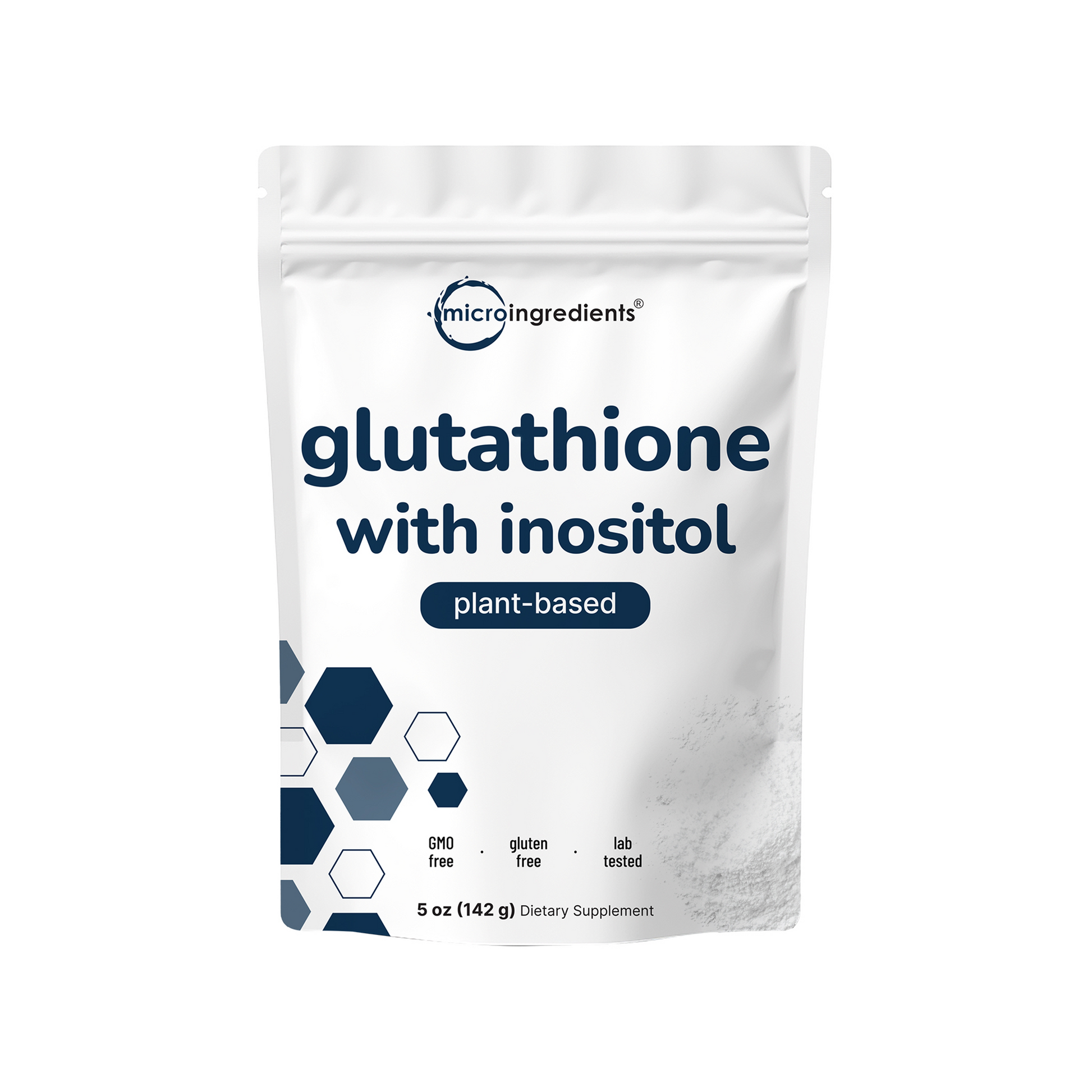
What Research Suggests and What It Doesn't (Expanded Evidence Notes)
To keep expectations grounded: glutathione research is often about biological plausibility and biomarkers. Even when studies show changes, those don’t always translate into noticeable real-world symptom changes for every person.
How I interpret the evidence as a consumer: if you want to try glutathione for lungs, think “support,” not “treatment.” A reasonable outcome could be subtle changes in comfort or recovery feel—especially when paired with the basics (non-smoking, air filtration if needed, allergy management, adequate sleep, and smart training loads).
Risk-aware behavior that actually helps your decision: start low, track for 2 weeks, stop if you get side effects, and escalate to a clinician if you have concerning symptoms (wheezing, chest pain, frequent breathlessness, fever, or persistent cough).
Common Mistakes and How to Avoid Them
- Starting too high: if you jump to a large dose, you increase the chance of GI upset and you muddy the results (you may feel “bad” for reasons unrelated to lung support).
- Changing everything at once: don’t add new workouts, new supplements, and new supplements-and-then-judge results on day 4.
- Ignoring exposure differences: air quality and pollen can swing month to month; a “no effect” week might simply be a different environment.
- Using it as a replacement: if you have diagnosed respiratory disease, keep your primary plan—glutathione is not a stand-in for inhalers, vaccines, or clinician treatment.
- Quitting too early or expecting instant miracles: two weeks may be enough to notice tolerance and some comfort signals, but dramatic change is unrealistic.
YouTube embed (overview resource):
FAQ
Is glutathione proven to be good for your lungs?
It’s not “proven” in the way a respiratory medication is. Research supports plausible antioxidant and anti-inflammatory pathways, and some studies show measurable effects in specific contexts. But for everyday lung comfort in otherwise healthy people, the evidence is limited and results can be inconsistent—so treat it as a cautious support experiment, not a confirmed lung therapy.
How long does it take for glutathione to affect lung comfort (if it helps)?
In consumer practice, some people notice changes in perceived comfort within 1–2 weeks, while others see no meaningful difference after that window. A practical approach is a 2-week test for tolerance and early signals, then reassess. Don’t assume “no benefit” after a short trial if your exposure environment is highly variable, but also don’t keep paying indefinitely without any signal.
What side effects should I watch for when taking glutathione for lungs?
The most common issues tend to be gastrointestinal (nausea, stomach discomfort) and sometimes taste-related discomfort, depending on the form. If you feel worsening breathing, chest tightness beyond your baseline, allergic-type reactions, or persistent symptoms, stop and seek medical advice rather than pushing through.
Can glutathione combine with NAC or other supplements for lung support?
Some people pair glutathione with precursors like NAC, but the combo isn’t automatically better. Combining antioxidants and supplements increases the chance you’ll trigger side effects that make it hard to know what’s responsible. If you combine, change only one variable at a time and start low—especially if you have a sensitive stomach.
Is oral glutathione better than injections or nebulized alternatives for lung health?
Oral products are what most consumers use, but injections and nebulized options are generally clinical/protocol-driven and not DIY. Oral forms may support systemic antioxidant status, while nebulized approaches (when used under medical guidance) involve more direct airway exposure. They’re not interchangeable, and one isn’t automatically “better” for everyone; the route should match your situation and clinician guidance.
YouTube embed (second resource link):
A Practical 2-Week Experiment Framework
If you’re considering glutathione for lungs, this is the simplest “consumer review” method to get real information without getting lost in hype.
- Pick one product: standard oral glutathione, liposomal, or sublingual. Avoid starting multiple new supplements at once.
- Start low for tolerance: try ~100–200 mg/day for the first 3–4 days (or follow the product label if it’s lower). If you have no side effects, continue.
- Keep your routine stable: same workouts, similar exposure patterns, and no big diet changes.
- Track a simple score (daily): note chest tightness or “breathing comfort” on a 0–10 scale, plus any GI side effects.
- Watch for failure signs: no change after 14 days can mean “neutral,” not “proof it doesn’t work,” but it’s a strong signal to avoid longer-term spending.
- Stop if side effects appear: if GI upset ramps up, taste intolerance becomes significant, or symptoms worsen beyond your baseline, stop and reassess.
- Make a decision at day 14: keep only if you have a clear, repeatable comfort improvement and good tolerance. If it’s neutral or negative, switch strategy (air quality management, allergy plan, or clinician discussion).
Budget reality check (so you don’t get burned): expect different pricing tiers. In real consumer terms, standard oral options may be the most cost-effective for trials, while liposomal forms often cost more per dose. If you spend $25–$60 per month and see nothing after two weeks, the “value” question is straightforward: keep only if there’s a signal.
About the Author
Bronze Ridge Supplements Review Desk is an editorial identity used for consumer-style health supplement reviews. The author behind this desk is a former retail supplement buyer and reviewer who has tested multiple antioxidant and respiratory-adjacent products personally and via controlled 2–4 week routine trials, focusing on tolerance, label accuracy, and cost-to-signal outcomes rather than marketing claims. This article is written as an informational consumer report and does not diagnose, treat, cure, or prevent any disease. If you have respiratory conditions or concerning symptoms, consult a licensed healthcare professional before using glutathione or changing your care plan.
Discussion