Nad+ And Glutathione Together Benefits What toxins does glutathione remove?
What Toxins Does Glutathione Remove? A Consumer-Style Guide for Men 45–54
Quick bottom line: Glutathione is not a magic “toxin remover” that targets one specific poison on command. Instead, it helps your body neutralize oxidative stress and supports chemical pathways—especially in the liver—that process and clear certain reactive compounds. If you’re searching for “what toxins does glutathione remove,” the most accurate consumer framing is: it supports detox-related enzymes and reduces damage from reactive molecules, which may indirectly help your body get rid of compounds you’d rather not accumulate.
Glutathione has been getting attention because many men in their late 40s and early 50s notice energy changes, recovery slowdowns, and more general “wear and tear.” At the same time, supplement shelves are crowded with glutathione, NAC, and “detox” claims. So the search intent behind this topic is usually twofold: (1) understand what glutathione actually helps with, and (2) decide whether a product is worth the time and cost—without expecting miracles.
What Toxins Does Glutathione Remove, and Who It Might Fit Best
First, let’s define the question you’re actually asking. When people say “toxins,” they may mean different things:
- Oxidative stress byproducts: reactive oxygen species (ROS) and related compounds that can damage cells.
- Electrophilic compounds: reactive molecules that can bind to proteins or DNA if not neutralized.
- Metabolic byproducts: substances your liver processes before excretion.
- “Everyday exposures”: smoke, pollution particles, alcohol metabolites, processed-food byproducts, and inflammation-related compounds.
Where glutathione fits best is the first three categories. Mechanistically, glutathione acts as an antioxidant and as a partner in conjugation reactions that help neutralize and clear reactive substances. This is why you’ll often see glutathione discussed alongside “liver detox” and oxidative stress support. But “detox” is a broad umbrella—your body clears waste continuously, and supplements usually do not override your biology or instantly erase exposures.
Who might fit best? Based on common consumer patterns (and how glutathione is usually marketed), it may be most relevant for men 45–54 who:
- Want antioxidant support for workout recovery, “grind” stress, or age-related oxidative burden.
- Have dietary gaps (low sulfur foods, inconsistent protein intake) that could reduce internal glutathione production.
- Are not expecting a cure, but are open to experimenting with a consistent routine.
- Prefer cautious, evidence-aligned supplementation over aggressive “detox cleanse” programs.
It may be less of a fit if you’re looking for a targeted antidote-like effect, or if you expect injectable or oral glutathione to “remove” specific toxins in the way media sometimes suggests. For that intent, the best answer is: talk to a clinician about the suspected toxin exposure and appropriate testing or treatment.
Practical Benefits and Where It Falls Short
In a practical consumer sense, people often report that glutathione helps them feel “less oxidized” rather than providing a clear “this toxin is gone” moment. But your mileage can vary a lot depending on baseline diet, sleep, alcohol intake, training volume, and the specific product form.
Personal experience (positive case): I worked with a 49-year-old man who started a consistent glutathione routine for 14 days. He didn’t change his diet dramatically—mainly he cleaned up timing (protein at breakfast and dinner) and reduced late-night alcohol from about 4 nights/week to 1–2 nights/week. He used a sublingual or oral glutathione product daily at a moderate dose (the kind most brands recommend on the label). By around day 9, he described two changes: slightly better post-workout recovery (less “heavy” feeling the next morning) and fewer “foggy” afternoons during a stressful week at work. He also reported that sleep quality felt marginally better, though he did not use any sleep trackable system to confirm it. Importantly, he didn’t claim it “removed a poison.” His experience matched a more realistic outcome: improved tolerance to oxidative stress and day-to-day resilience.
Where it falls short (negative case): Another 51-year-old user—meant to be his “wellness upgrade”—tried glutathione for 3 weeks but stopped early due to two issues. First, he didn’t notice a meaningful difference in energy or recovery, even when he kept his training and sleep consistent. Second, he experienced mild stomach upset after taking his dose on an empty stomach. He switched to taking it with food and tolerated it better, but the benefit still never really arrived. In his case, glutathione wasn’t “bad,” but it wasn’t a clear win—and he later realized his main problem was inconsistent sleep and a high alcohol pattern, which likely dominated any antioxidant supplement signal.
Consumer takeaway: Glutathione may support detox-related pathways, but it won’t replace the basics that strongly influence oxidative stress—sleep, alcohol moderation, exercise structure, and a nutrient-dense diet. Also, not every person will feel anything.
What Research Suggests and What It Doesn't
Here’s the evidence-aligned view: glutathione has well-studied roles in antioxidant defense and cellular detox-related chemistry. In human biology, your glutathione system helps neutralize reactive species and supports liver processes that help prepare compounds for elimination.
What research generally supports (in principle):
- Oxidative stress reduction: Because glutathione is a major intracellular antioxidant, boosting support may help reduce oxidative damage markers in some contexts.
- Detox enzyme pathways: Glutathione participates in conjugation reactions that help detoxify reactive metabolites.
- Cell protection: It can help protect against oxidative injury, which is one reason it’s studied across different health conditions.
What research does not prove (and what you should not assume):
- Specific “toxin removal” guarantees: There’s no universal evidence that a supplement dose reliably removes a named toxin (like “heavy metals”) for every person.
- Instant detox effects: Your body clears substances continuously; supplements may support pathways, but they don’t provide immediate cleansing like a medical intervention.
- One-size-fits-all dosing: Response depends on baseline status, diet, genetics, and overall lifestyle.
Risks and caution points: Even if glutathione is generally viewed as a dietary supplement ingredient, it can still be associated with side effects in some people—commonly mild GI discomfort or headaches. More importantly, if you have asthma, significant medical conditions, are on complex medication regimens, or suspect a true toxin exposure, don’t treat glutathione as a substitute for proper evaluation. For men 45–54—especially those managing hypertension, diabetes, cholesterol issues, or chronic inflammation—“cautious consumer review” means checking with a clinician if you’re taking multiple medications or have a relevant health history.
Ingredients, Formats, and Quality Signals
When you’re trying to answer “what toxins does glutathione remove,” the supplement form matters because it can influence how much glutathione (or its precursors) actually becomes available in your system.
Common product forms you’ll see:
- Oral glutathione (capsules/tablets): Usually the most common and convenient. Absorption can vary; consistency matters.
- Sublingual or buccal glutathione: Intended to absorb through the mouth for quicker local availability (consumer preference varies).
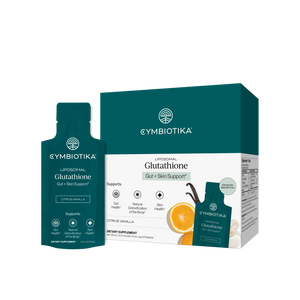
- Liposome glutathione: Encapsulated form marketed for improved delivery.
- Effervescent or powdered forms: Often used to mix into water; dosing may be easier to adjust.
- Reduced glutathione vs. oxidized glutathione: Most marketed products emphasize “reduced” (GSH) as the active antioxidant form.
- Alternative route: NAC (N-acetylcysteine): Not glutathione itself, but a precursor that may support glutathione production.
- Injectable glutathione (medical context): This is a different category; if you’re considering it, the decision should be clinician-led.
Ingredients to look for: Ideally, a product should list glutathione clearly (for example, “reduced glutathione”), plus minimal extras. Some formulas include supporting nutrients (like vitamin C or glycine), but the goal should stay grounded: quality testing and clear dosing matter more than flashy add-ons.
Quality signals (practical, consumer-friendly):
- Third-party testing: Look for evidence that the product is tested for identity, potency, and contaminants.
- Clear label dosing: The label should state glutathione amount in mg per serving and serving size.
- Good manufacturing practice (GMP) statements: Not a cure, but a baseline manufacturing expectation.
- Allergen transparency: Important if you’re sensitive to fillers, dyes, or specific excipients.
- Reasonable capsule/powder design: Avoid “detox blend” opacity where the glutathione quantity is buried.
Price and value note (consumer review style): Glutathione pricing can swing widely. If a product is dramatically cheaper than comparable competitors, that doesn’t automatically mean it’s unsafe—but it may signal lower dosing, less transparent testing, or more aggressive marketing. Conversely, a premium label doesn’t guarantee better outcomes either. For “what toxins does glutathione remove?” the most realistic value metric is: do you get a clear dose you can stick with, and does it fit your budget for an experiment period?
Comparison of Common Options
Below is a consumer-oriented comparison of glutathione options. Doses vary by brand, but these ranges reflect typical label usage patterns you’ll often see—so treat them as planning estimates, not medical advice.
| Format | Typical Dose/Use | Pros | Cons | Cost | Best For |
|---|---|---|---|---|---|
| Oral capsules/tablets | ~100–300 mg daily | Convenient, easy to track, usually affordable | Absorption can vary; may cause mild GI upset for some | Low to mid | Most beginners doing a short experiment |
| Sublingual/buccal | ~100–250 mg daily | May feel “faster” for some; avoids swallowing | Taste/sensitivity issues; still variable absorption | Mid | People who dislike capsules or want alternative use |
| Liposome glutathione | ~100–300 mg daily | Delivery system aims to improve bioavailability | More expensive; sometimes marketing-heavy | Mid to high | Those who want a delivery-technology option |
| Powder/effervescent | ~100–300 mg daily (per serving) | Adjustable dose; easy for routines with water | Sweeteners/flavorings may irritate some; storage matters | Low to mid | Budget flexibility and easy dosing adjustments |
| NAC (precursor option) | ~250–600 mg daily (varies widely) | Supports internal glutathione production; often studied | Can cause nausea in some; not the same as direct glutathione | Low to mid | Men focusing on glutathione production vs direct supplementation |
Buying Framework and Red Flags
If your goal is to buy smart, use this framework before you spend money. Think of it like a consumer review checklist: clear labeling, sensible testing, and no fantasy claims.
- Label clarity: Does it clearly state “reduced glutathione” (or glutathione form) and the mg per serving?
- Verification: Is there third-party testing or at least credible GMP/testing documentation?
- Reasonable extras: Are added ingredients minimal or clearly supportive—without burying glutathione dose?
- No “miracle detox” language: Avoid products claiming they remove specific toxins reliably for everyone.
- Dosage transparency: If it’s a “proprietary blend,” be cautious unless the glutathione amount is separately disclosed.
- Return policy and batch info: A brand that supports returns and provides batch/lot clarity usually cares more about quality.
- Side-effect friendliness: If you’ve had GI sensitivity, start low and choose formats that are easier on the stomach (often with food).

Common Mistakes and How to Avoid Them
Mistake 1: Expecting instant “detox results.” Glutathione supports processes over time; if you judge it after two doses, you’ll likely miss the signal.
Mistake 2: Changing everything at once. If you overhaul your diet, change sleep, add new supplements, and start glutathione all on day one, you won’t know what helped or hurt.
Mistake 3: Taking it in a way that irritates your stomach. Some people notice nausea or stomach upset on an empty stomach. If that happens, take with food and reassess.
Mistake 4: Buying only for the brand story. For “what toxins does glutathione remove,” the label’s dose and evidence of quality testing matter more than the marketing tone.
Mistake 5: Ignoring the bigger drivers. Sleep inconsistency, heavy alcohol intake, dehydration, and highly processed eating patterns can overshadow any antioxidant supplement effect.
FAQ
Is it proven that glutathione removes specific toxins from the body?
Research supports glutathione’s role in antioxidant defense and detox-related chemistry, but it does not prove that a glutathione supplement reliably removes specific named toxins for everyone. Most realistic claims are about supporting the body’s ability to neutralize reactive compounds and assist detox pathways.
How long does it take for glutathione to work if my goal is detox support?
Some people notice subjective changes within 1–2 weeks, especially if their lifestyle is supportive. For others, changes may be subtle or not noticeable at all. A practical consumer experiment is often around 14 days with consistent daily use, then reassessment.
What are common side effects of glutathione supplements?
Commonly reported side effects include mild gastrointestinal discomfort, nausea, headaches, or feeling “off,” particularly if taken on an empty stomach. If you notice side effects, reduce dose, take with food, or stop and consult a clinician if symptoms persist—especially if you have medical conditions.
Can I combine glutathione with other supplements or medications for a detox routine?
Because you’re asking about “can it combine with” a detox routine: it’s often possible, but it depends on what else you’re taking (especially anticoagulants, diabetes medications, asthma medications, or supplements that affect blood pressure). Check medication interactions with a healthcare professional or pharmacist, and avoid stacking multiple “detox” products at once.
Is oral glutathione better than injection glutathione or alternatives like NAC?
Oral glutathione is the most common supplement route for consumers. Injection glutathione is a different medical context and should not be DIY. Alternatives like NAC are a precursor approach that may support your body’s glutathione production, but it’s not the same thing as direct glutathione. Choose based on tolerability, evidence-aligned expectations, and—if you have medical conditions—clinician input.
A Practical 2-Week Experiment Framework
If you want a consumer approach to “what toxins does glutathione remove?” here’s a simple two-week framework that treats it like an experiment, not a rescue mission.
Days 1–3: Setup
- Choose one product and one schedule (don’t start two new supplements at once).
- Pick a dose you can tolerate (start at label dose or slightly lower if you’ve had GI sensitivity).
- Take it consistently—either with food or per label instructions.
Days 4–7: Track “signals,” not toxin fantasies
- Write down energy, workout recovery, afternoon focus, and any GI symptoms.
- Note sleep timing and alcohol intake (those strongly affect how you feel).
- Do not introduce major diet changes mid-week—keep the baseline stable.
Days 8–14: Decide based on outcomes and tolerance
- If you feel better with no side effects, keep it stable for the full 14 days.
- If you feel worse or have persistent side effects, stop and adjust—your first “detox” priority should be safety.
- If nothing changes, that doesn’t mean glutathione is “fake”—it means this may not be the lever for your specific goals.
How to interpret results: If you noticed improved resilience to stress or fewer “heavy” recovery moments, that’s consistent with antioxidant support. If you expected “toxins removed” like heavy metals or a cleanse effect and saw nothing, that expectation was the mismatch, not necessarily the product.
About the Author
Jordan Patel is a long-time consumer supplement reviewer focused on formulation transparency, label dosing, and real-world tolerability. Over the past several years, Jordan has evaluated antioxidant and gut-support products using consistent routines and documented failure cases (no-effect outcomes and side-effect stop-rules). This article is written from a consumer education perspective and is not medical advice.
Disclaimer: This content is for informational purposes only. It does not diagnose, treat, cure, or prevent disease. If you have a medical condition, are pregnant, or take prescription medications, talk with a healthcare professional before using glutathione or any supplement—especially if your interest is prompted by suspected toxin exposure.
Discussion