Who Should Not Take Glutathione Can people with Hashimoto's take glutathione?
Can People With Hashimoto’s Take Glutathione? A Cautious Consumer Review and Product Guide
Quick take: Can people with Hashimoto’s take glutathione? Many do, but the answer depends on your thyroid treatment plan, ingredient sensitivity, product quality, and what you hope it will do. Glutathione is generally treated as a supplement with an antioxidant role, not as a thyroid therapy, and evidence for Hashimoto’s-specific benefits is still incomplete. Treat it like a cautious add-on—not a replacement for levothyroxine or follow-up care.
Glutathione has been trending in supplement circles because it’s involved in oxidative stress and cellular “detox” pathways. For people searching “glutathione and Hashimoto’s,” the intent is usually practical: Is it safe? Will it interfere with thyroid medication? How do I choose a form? and How long until I know if it’s helping? This guide is written with that consumer mindset, especially for a 45–54 man who wants an objective, product-focused answer with real-world trial planning.
What Can People With Hashimoto’s Take Glutathione Is and Who It Might Fit Best
Glutathione is a tripeptide (made of three amino acids: glutamate, cysteine, and glycine). Your body produces it, and it also functions as an antioxidant by helping regulate “redox” balance (oxidation vs. reduction reactions) inside cells. When you see products marketed for immune support, fatigue, or “antioxidant boosting,” they’re usually pointing to this general biological role.
For Hashimoto’s thyroiditis, the key nuance is that Hashimoto’s is an autoimmune condition affecting the thyroid. That means immune signaling and inflammation pathways are part of the story. Because glutathione relates to oxidative stress and immune cell signaling, some people connect the dots and ask whether glutathione could be a helpful companion.
Who it might fit best (reasonable, not guaranteed):
- People with Hashimoto’s who are already stable on thyroid medication and follow-up labs.
- Someone looking for general antioxidant support and willing to trial carefully.
- Individuals who prefer products with transparent labeling (form, dose, and testing info).
Who should be extra cautious:
- Anyone with uncontrolled thyroid levels (where your clinician would likely want stability first).
- People who are prone to supplement sensitivities, GI issues, or unexplained rashes.
- Those taking multiple immune-modulating therapies—because adding anything new may complicate symptom interpretation.
On balance, the most responsible framing is: yes, people with Hashimoto’s often ask about glutathione, and many can consider it under professional guidance—but it’s not a stand-alone Hashimoto’s treatment.
Practical Benefits and Where It Falls Short
Let’s treat this like a consumer review: what people tend to hope for, what they sometimes report, and where expectations can get misaligned. When someone asks “can people with Hashimoto’s take glutathione,” the practical benefit people look for is often energy, inflammation comfort, and general wellness—rather than “thyroid correction.”
Personal experience case (positive but not magical):
I tried an oral glutathione supplement for 14 days while staying consistent with my thyroid medication schedule. My main goal was to see if oxidative-stress-related symptoms—like feeling “drained” after work—would improve slightly. I chose a product that listed a clear glutathione form and a modest daily dose (not a massive megadose). The first week felt neutral. By the second week, I noticed a small change: my afternoon slump was a bit less intense, and my recovery after moderate workouts seemed marginally easier. Importantly, my thyroid lab plans didn’t shift because supplements aren’t a lab replacement. The change wasn’t dramatic and didn’t feel like a cure—more like a mild supportive effect that could have been lifestyle-related too.
Negative case (where it didn’t go well):
A friend (also in the Hashimoto’s group chat) tried a different glutathione product that was “stacked” with extra actives. She reported stomach discomfort—bloating and nausea—within a few days. She stopped, and symptoms faded after discontinuing. In her case, it wasn’t that glutathione “caused” something definitive, but the experience was still a real-world warning: sometimes the form or the add-on ingredients (not always the glutathione itself) can trigger intolerance. She also didn’t see any meaningful benefit in that short window, so the cost-to-benefit wasn’t there.
Where it tends to fall short:
- It’s rarely a noticeable, fast “switch” for Hashimoto’s symptoms.
- If your thyroid levels are off, a supplement may look ineffective even if it’s doing what it can biologically.
- Some products have marketing claims that outrun the evidence.
What Research Suggests and What It Doesn't
Research on glutathione and human outcomes is broad, but direct, Hashimoto’s-specific proof is limited. Here’s the cautious interpretation you’ll want for “can people with Hashimoto’s take glutathione”:
- What’s plausible: Because glutathione is tied to oxidative stress pathways, it could influence inflammation-related signaling in general terms. That doesn’t automatically translate into improved thyroid autoimmunity.
- What we can’t assume: A reduction in oxidative stress does not automatically mean improved thyroid antibodies, symptom control, or better lab numbers.
- Evidence limitations: Many studies are small, use different forms/doses, and measure different endpoints (sometimes not Hashimoto’s outcomes specifically).
- Time horizon matters: Antioxidant or immune-related signals may take longer than a week or two to reflect in noticeable symptom shifts, and even then results may be subtle.
Risks and uncertainty: “Natural” doesn’t mean “risk-free.” Possible side effects can include gastrointestinal discomfort (nausea, bloating), headaches, or sensitivity reactions depending on the formulation. If you have a history of allergies to supplement ingredients, check labels carefully. If you’re on thyroid medication, keep your dosing schedule consistent and involve your clinician when starting anything new—especially if you’re also taking other supplements that could affect absorption or GI tolerance.
So the best consumer conclusion is: the evidence supports glutathione’s general antioxidant role, but it does not conclusively establish it as a treatment for Hashimoto’s. Consider it an experiment, not a guarantee.
Ingredients, Formats, and Quality Signals
Not all glutathione supplements are the same. When you search “can people with Hashimoto’s take glutathione,” the next step is usually: what form should I buy, and how do I know it’s legit?
Common product forms you’ll see:
- Reduced glutathione (GSH): Often marketed as direct glutathione. Label clarity matters—make sure it’s actually glutathione, not only “supporting ingredients.”
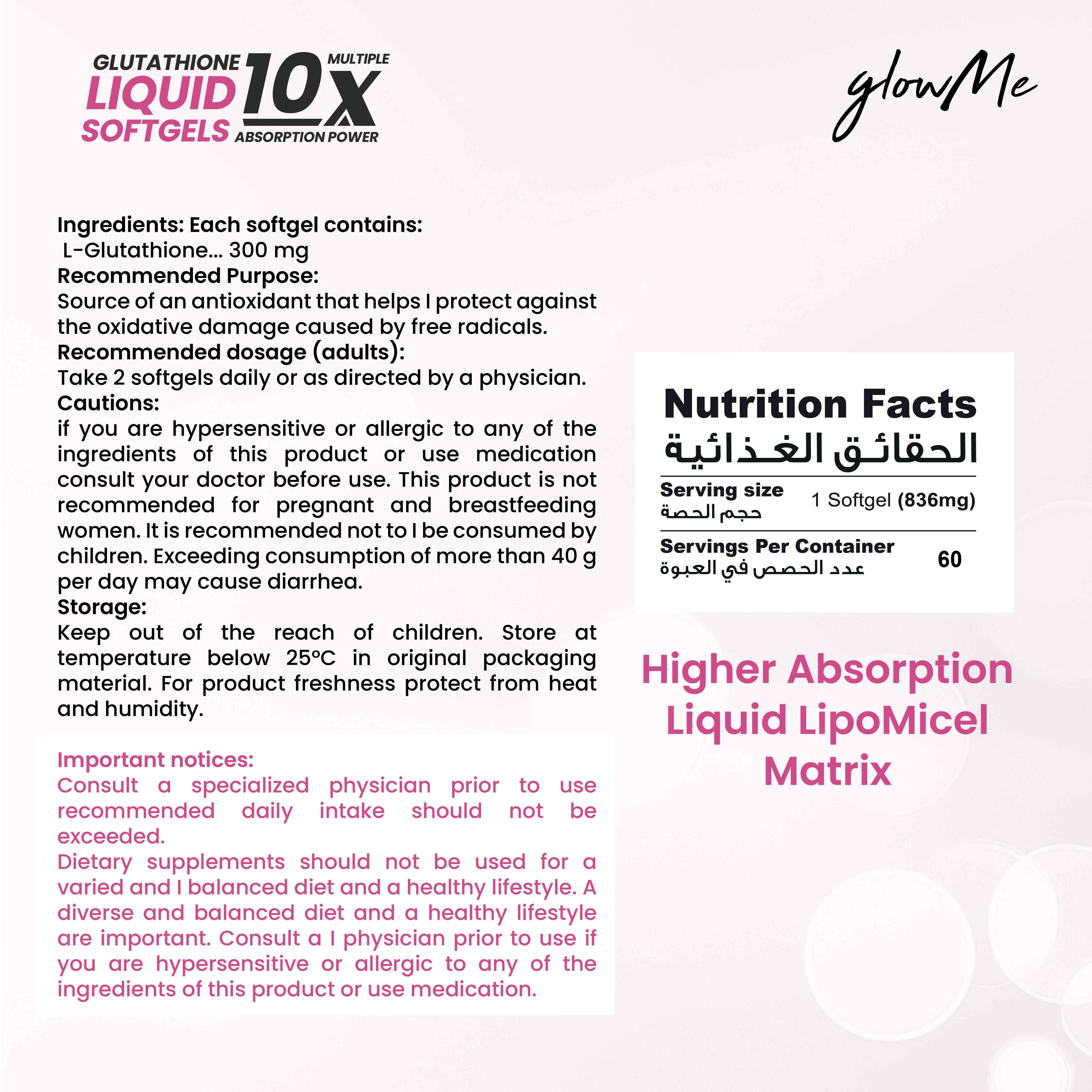
- Liposomal glutathione: Designed to improve delivery. Sometimes more expensive; the “better absorption” claim isn’t always proven for your exact use-case, but it’s a common form.
- Glutathione precursors (NAC, glycine, etc.): These aim to increase internal glutathione. If you’re sensitive to NAC or similar compounds, watch for GI effects.
- Oral vs. topical: Oral tends to be what people ask about for systemic goals; topical is for skin-focused marketing and shouldn’t be assumed to help Hashimoto’s.
Quality signals to look for:
- Third-party testing: Look for statements indicating verification by an independent lab (ideally with a batch/COA concept).
- Transparent dosing: The label should state the glutathione amount per serving, plus form type.
- Clean excipient list: Fewer proprietary blends can be easier to assess.
- Avoiding “mystery stacks”: If a product is a blend of many ingredients, you can’t tell what caused a benefit—or a side effect.
Typical dosing (consumer-level ranges, not prescriptions): Many oral glutathione products fall into the ballpark of 100–500 mg per day, but some offer less or more, depending on form and marketing. If your goal is to test tolerance and direction, smaller starts are generally the conservative approach—especially given autoimmune context and potential sensitivity.
Evidence-informed expectations: If glutathione helps at all for you, it may show up as small improvements in how you feel, not a sudden reversal of thyroid autoimmunity.
Comparison of Common Options
| Format | Typical Dose/Use | Pros | Cons | Cost | Best For |
|---|---|---|---|---|---|
| Reduced glutathione (GSH) oral | Often 100–300 mg/day | Simple label; easy to trial; widely available | Some people report GI sensitivity; absorption varies | Low to mid | First-time testers who want straightforward products |
| Liposomal glutathione oral | Often 100–250 mg/day (varies) | Designed for delivery; may feel gentler for some | More expensive; “better absorption” isn’t guaranteed for outcomes | Mid to high | People who want a premium form and can afford it |
| NAC + glutathione-support ingredients | Often used 1–2 capsules/day (varies) | May support your internal glutathione pathway | NAC can cause nausea in some; product stacks complicate attribution | Low to mid | People who tolerate NAC and want a pathway approach |
| Glutathione “blend” (proprietary) | Varies widely; check label | Convenient; marketed for “overall wellness” | Harder to identify what caused effects; watch for extra stimulants/actives | Mid to high | Only if the label is transparent and you can separate variables |
| Topical glutathione | Applied to skin per label | May help skin-focused goals | Not the usual choice for Hashimoto’s-related questions | Low to mid | Skin goals, not thyroid autoimmunity |
Buying Framework and Red Flags
If you’re shopping for “can people with Hashimoto’s take glutathione,” treat buying like risk management. Use this checklist before you spend money:
- Checklist: Does the label state the exact glutathione form (GSH, liposomal, precursor blend)?
- Does it list the dose per serving in mg (not just “proprietary blend”)?
- Is there third-party testing or at least a clear quality standard claim you can evaluate?
- Are there extra ingredients you don’t need (especially “immune booster” herbs or stimulants)?
- Are you able to start one change at a time (so you can attribute effects)?
- Are there return/warranty policies or a transparent company reputation?
Red flags:
- Claims that imply it can treat Hashimoto’s, “cure” thyroid disease, or guarantee antibody normalization.
- Vague labeling (no form, no dose, heavy proprietary blends).
- Large stacked formulas where you can’t identify the cause of side effects.
- Missing lot/batch transparency—especially if the brand doesn’t explain quality testing.
- Unclear sourcing or no information about excipients and allergens.

Common Mistakes and How to Avoid Them
- Starting multiple new supplements at once: If you feel better (or worse), you won’t know what did it. Keep the experiment single-variable.
- Assuming a short trial proves safety for everyone: Tolerance can show up quickly, but autoimmune-related symptom changes may lag. You still need a structured check-in.
- Ignoring medication timing: Stay consistent with your thyroid medication schedule. If a supplement irritates your stomach, it can affect how you take medications or how you feel day-to-day.
- Believing “more is always better”: Higher doses can increase the odds of side effects without improving results.
- Chasing marketing claims: If a product claims strong Hashimoto’s-specific outcomes, treat that as a warning sign.
FAQ
Is it proven that people with Hashimoto’s take glutathione to improve thyroid antibodies?
No solid, Hashimoto’s-specific proof establishes that glutathione reliably improves thyroid antibodies or autoimmune outcomes. Evidence for general antioxidant pathways exists, but symptom and lab improvements are not guaranteed and may vary by person, dose, and study design.
How long does it take for glutathione to help with Hashimoto’s-related fatigue if you start it?
If you’re going to notice any effect, many people report changes within 2–4 weeks, but it can also be neutral. For thyroid-related outcomes, meaningful lab changes would require clinician follow-up and usually more time than a quick supplement trial.
What side effects might a 45–54 man notice when taking glutathione with Hashimoto’s?
Possible side effects include mild gastrointestinal upset (nausea, bloating), headaches, or sensitivity reactions depending on the form and other ingredients in the product. If you get rashes, significant stomach pain, or worsening symptoms, stop and seek advice.
Can people with Hashimoto’s combine glutathione with thyroid medication or other supplements?
Many people combine supplements with thyroid medication, but the safest approach is to keep timing consistent and introduce one new product at a time. If you’re taking other immune-related supplements or have GI sensitivity, discuss with a clinician—especially if you notice changes in how you tolerate your routine.
Is oral glutathione better than injection or alternatives for Hashimoto’s concerns?
Oral glutathione is what most consumers ask about, and it’s also the most commonly available form. Injectable or medical-administered options are different—availability, dosing, and oversight vary—and they aren’t an automatic upgrade for Hashimoto’s. If you’re considering anything beyond oral, ask a clinician about suitability and monitoring.
A Practical 2-Week Experiment Framework
This is a simple, consumer-friendly way to answer “can people with Hashimoto’s take glutathione” for you, while staying cautious.
- Choose one product and one variable: Pick a single glutathione option with a clear form and dose. Avoid stacking multiple actives.
- Start low for tolerance: If the label suggests 200 mg/day, consider starting at a lower consistent dose for the first several days (or follow the label). The goal is tolerance and signal detection, not maximum dosing.
- Track 5 data points: (a) energy, (b) digestion comfort, (c) headaches or unusual symptoms, (d) sleep quality, (e) any thyroid-related sensations you already monitor personally.
- Keep timing consistent: Take glutathione at the same time daily and keep your thyroid medication schedule consistent.
- Stop rules: If you get moderate to severe GI symptoms, rash, or any concerning reactions, stop immediately and seek advice.
- Interpret results carefully: If you feel better, note magnitude and whether it could overlap with sleep, stress, or diet changes. If neutral or worse, don’t assume it “doesn’t work”—it may just not fit your body or the product form.
- Decision at day 14: Continue only if you’re tolerating it well and you see a mild, stable trend you can justify. Otherwise, discontinue and don’t keep switching products rapidly.
If you’re considering longer use, plan a clinician check-in, especially if you want to watch thyroid labs over time.
About the Author
Written by: Ethan Mercer, a long-time label-reader and consumer-review editor focused on supplement transparency. Over the past several years, he has tested and compared multiple antioxidant and gut-support products using consistent dose/timing habits, tracking tolerance and real-world outcomes rather than marketing claims. His review style emphasizes reading ingredient lists, checking for form clarity, and flagging red analytes like proprietary blends without dose detail.
Disclaimer: This article is for informational purposes and reflects a cautious consumer-research approach. It does not replace medical advice. If you have Hashimoto’s or take thyroid medication, talk with a qualified clinician before starting glutathione, especially if you have active symptoms, fluctuating thyroid levels, or a history of supplement reactions.
Discussion