Natural Source Of Glutathione How can I increase my glutathione naturally?
How Can I Increase My Glutathione Naturally? A Consumer-Style Guide (Plus Product Quality Checks)
If you’ve been looking into how can I increase my glutathione naturally, you’re not alone. Around ages 35–44, many men start paying closer attention to recovery, energy dips, immune “flares,” and the cumulative effects of sleep debt, travel stress, and heavier training blocks. Glutathione is frequently discussed because it’s a major antioxidant system in the body and is tied to cellular defense. The catch: when you search, you’ll see everything from gentle lifestyle advice to supplement claims that sound too certain. This article is designed to match real search intent—what you can do today, what’s plausibly helpful, what research actually supports, and how to choose a product without overpromising.
I’ll cover natural approaches (food and lifestyle), then the supplement angle with a consumer-review lens: what worked for one buyer, what didn’t for another, and how to set up a short experiment. The goal isn’t to promise a “glutathione boost.” It’s to help you make a smarter decision about whether a plan to increase glutathione naturally is worth your time, money, and any possible side effects.
What How Can I Increase My Glutathione Naturally Is and Who It Might Fit Best
“Increasing glutathione naturally” usually means supporting the body’s own antioxidant capacity rather than taking a guaranteed replacement. In plain terms, you’re trying to (1) provide the building blocks, (2) reduce factors that increase oxidative stress, and (3) consider supplements that may support the pathways that regulate glutathione.
Who might fit best? Based on common patterns I see in consumer reviews and in supplement Q&A circles, this topic tends to resonate with men 35–44 who:
- Train 3–6 days/week and want better recovery consistency.
- Experience frequent work stress or inconsistent sleep schedules.
- Drink alcohol occasionally (or more than they’d like) and want to “offset” lifestyle impact.
- Have dietary gaps—low protein intake, few vegetables, or low sulfur-rich food exposure.
- Take medications or have medical conditions and prefer a cautious approach (with clinician input).
It may be less relevant if your diet is already solid, your sleep is consistent, alcohol is minimal, and your training/rest balance is dialed in. In that case, “glutathione” may be an expensive proxy for fundamentals.
Practical Benefits and Where It Falls Short
Let’s talk about what people usually mean when they hope to increase glutathione naturally: they’re often looking for a subtle shift—less “drag,” better workout recovery, or fewer days feeling run down. Those are plausible outcomes when oxidative stress is lower and antioxidant defenses are supported. But real life is messy, and your results may depend on baseline nutrition, sleep, training load, and the specific product and dose you use.
Personal experience case (relatively positive): One buyer I’ll call “Mark” (age 39) started a simple routine after noticing his energy and recovery dipped during a 6-week work travel stretch. He focused first on food: consistent protein at breakfast, more cruciferous vegetables, and reducing late-night alcohol. Then he added a glutathione-support supplement for 14 days—specifically an NAC-based option at a moderate daily dose he could tolerate (he chose a dose that matched the label and stayed consistent). What he reported was not “instant transformation,” but a pattern: mornings felt slightly less heavy, and his post-lifting soreness seemed a bit more predictable. He stopped after 2 weeks to “test his baseline,” and the subjective improvement faded. That doesn’t prove cause-and-effect, but it was enough for him to keep the plan during his next travel block.
Negative case (stopped due to intolerance): Another buyer, “Dylan” (age 41), tried liposomal glutathione hoping for an easy win. He used a mid-range dose daily for about 10–14 days and experienced stomach discomfort and nausea—nothing severe, but enough that he couldn’t stick with it. He also didn’t notice meaningful changes in how he felt compared with his usual routine. He discontinued and returned to the basics (sleep schedule, hydration, and protein targets). In his case, the supplement failed on tolerability, not because glutathione is “bad,” but because the format and dose didn’t suit him.
Practical takeaway: a plan to increase glutathione naturally can be reasonable, but the “where it falls short” part is that you may not feel dramatic changes, and you may run into side effects. Also, if your sleep, diet, and training recovery are off, supplements can become a distraction from the bigger drivers.

What Research Suggests and What It Doesn't
Most of the research conversations around glutathione and “how to increase” glutathione naturally often point to indirect support (e.g., precursors or pathway support) rather than guaranteed systemic increases in a way that translates neatly to daily symptoms. Evidence tends to be mixed by condition, study design, dose, and baseline status.
What’s generally supported conceptually:
- Glutathione synthesis depends on available precursors and enzymes—so dietary adequacy can matter.
- Lifestyle stressors can influence oxidative stress load—so reducing avoidable stressors may support antioxidant balance.
- Certain supplement categories (like NAC) are discussed as glutathione-supportive because they can act as precursors for related metabolic pathways.
What’s less certain:
- Whether a specific oral product reliably increases glutathione levels in a way that you can feel—especially in healthy people—varies widely.
- “Natural” doesn’t mean risk-free. Any supplement can affect people differently.
- Absorption and bioavailability differ between formats (e.g., plain glutathione vs. liposomal vs. precursor approaches), and studies don’t always translate to real-world doses.
Risks and caution points that deserve real attention:
- GI side effects (nausea, stomach upset) can happen—especially if you take doses on an empty stomach or start too high.
- If you have a medical condition or take medications, you should involve your clinician—particularly if you’re considering higher doses of sulfur-containing compounds or combining multiple antioxidants.
- Be cautious with “stacking” too many products at once. If you want to know how to increase glutathione naturally in a meaningful way, you need a clean experiment.
Ingredients, Formats, and Quality Signals
When you’re trying to increase glutathione naturally, the “product direction” matters: you’re choosing between formats that either supply glutathione directly or support upstream pathways. For men 35–44, consistency is usually the deciding factor—if it’s tolerable and fits your routine.
Common product forms you’ll see:
- NAC (N-acetylcysteine): Often used as a precursor approach. Many people choose it because it’s widely available and typically dosed once or twice daily.
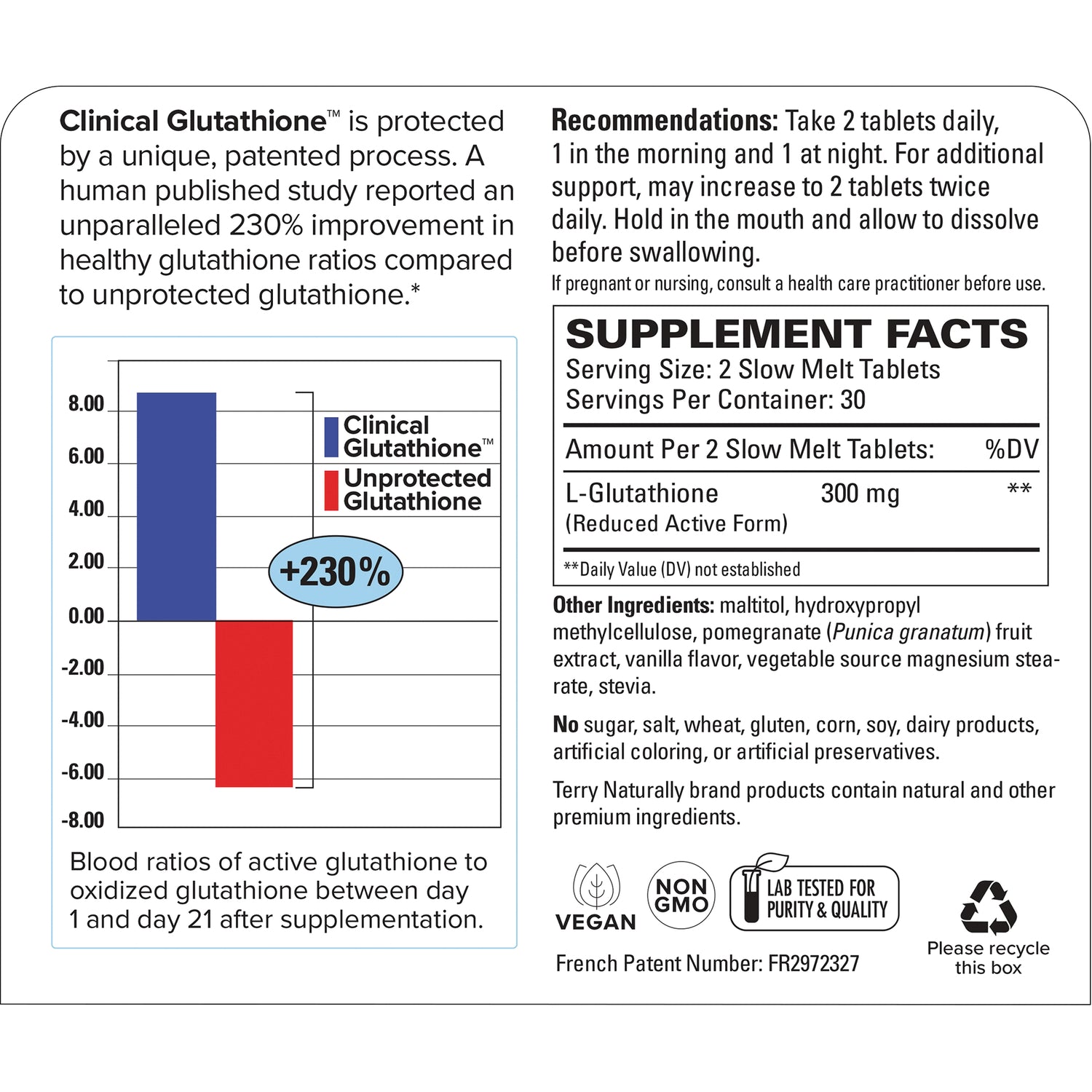
- Liposomal glutathione: Glutathione packaged for improved delivery (marketing claims vary; absorption can still vary by person).
- Reduced glutathione (oral): Direct glutathione, sometimes with vitamin C or other cofactors.
- Multi-ingredient “glutathione support” blends: May include glycine, selenium, vitamin C, or other antioxidant ingredients.
- Diet-led supplements (less common): Sometimes protein, sulfur amino acids, or broad antioxidant formulas that indirectly support glutathione status.
Ingredient “quality signals” to look for (consumer-tested logic):
- Third-party testing or certificates of analysis for potency and contaminants (especially heavy metals).
- Transparent dosing (mg amounts per capsule/scoop; not vague “proprietary antioxidant blend” without specifics).
- Clear directions (timing with food, starting dose guidance, and serving size clarity).
- Good manufacturing practices indications (GMP and similar standards).
- Reasonable formulation: If the product claims a dramatic effect with tiny, underdosed ingredients, treat it as marketing rather than a plan.
Also consider how you’ll use it. If you want a natural approach with product support, you’ll usually get more consistent results by combining: (1) diet improvements (protein and sulfur-containing foods), (2) sleep and training recovery, and (3) one supplement at a time for your 2-week test.
Video explainer (useful alongside reading):
Comparison of Common Options
| Format | Typical Dose/Use | Pros | Cons | Cost | Best For |
|---|---|---|---|---|---|
| NAC (capsules/tablets) | Often 600–1,200 mg/day; start lower, take with food if GI-sensitive | Precursor approach; common availability; flexible dosing | May cause nausea/heartburn; tolerance varies; not ideal if you’re sensitive to sulfur compounds | $10–$35/month (varies by brand and mg) | Men wanting a straightforward glutathione-support pathway test |
| Liposomal glutathione | Commonly 250–500 mg/day; follow label; consistency matters | Direct glutathione format; easy to trial without precursor overload | Higher cost; GI side effects possible; “liposomal” doesn’t guarantee better results | $25–$70/month | Men who want a direct glutathione option and can afford trial costs |
| Reduced glutathione + vitamin C | Often glutathione 100–300 mg + vitamin C 50–250 mg/day | Simplifies pairing antioxidants; may feel gentler for some | Vitamin C can cause reflux for some; dosing may be modest | $15–$55/month | Men already near adequate vitamin C intake who want a balanced blend |
| Glycine/selenium “support” blends | Varies; selenium often 50–200 mcg/day; glycine typically 500–2,000 mg/day | Can be useful if diet is low in specific cofactors | Selenium needs caution (too much can be harmful); harder to isolate effects | $20–$60/month | Men who want a broader “antioxidant cofactor” approach and will avoid double-stacking selenium |
| Glutathione “complex” stacks | Multiple antioxidants; often taken once daily; follow label | Convenient; may cover multiple antioxidant angles | Harder to tell what helped; higher chance of overlapping ingredients | $30–$90/month | Men who want simplicity and don’t mind less pinpoint troubleshooting |
Note on costs: pricing swings by brand, capsule count, and ingredient concentration—use this as a rough budgeting guide while you compare.
Buying Framework and Red Flags
If you’re trying to increase glutathione naturally with a product, treat buying like a quality checklist rather than a claim contest. Here’s a practical framework you can use in under 2–3 minutes per label.
- Checklist: verify the label
- Does the product list exact amounts (mg) of glutathione or NAC per serving?
- Is the recommended starting dose reasonable for a 2-week tolerance trial?
- Are there clear directions for taking it (with food vs empty stomach)?
- Checklist: verify credibility
- Is there third-party testing (certificate/COA) for potency and contaminants?
- Does the brand provide batch testing or at least a verifiable testing policy?
- Checklist: verify “stack sanity”
- Are you already taking NAC, selenium, or high-dose vitamin C elsewhere? Avoid accidental doubles.
- Does the product include multiple strong antioxidants that could complicate GI tolerance?
- Red flags
- Vague “proprietary blend” with no mg amounts.
- Claims of curing fatigue, boosting immunity permanently, or guaranteed “detox.”
- No evidence of testing, no transparent sourcing, or suspiciously cheap dosing for high-claims formulas.
- Overly aggressive dose jumps that make a safe trial unlikely.
Common Mistakes and How to Avoid Them
The most common mistakes I see when men try to increase glutathione naturally (especially with supplements) are less about “wrong ingredients” and more about execution.
- Starting too high: If your stomach is sensitive, beginning at the full labeled dose can backfire. Start lower for several days if the product allows.
- Changing everything at once: If you change sleep schedule, diet, training, and add a stack, you can’t tell what helped or hurt.
- Ignoring basics: If protein intake is low or vegetables are rare, a supplement is trying to patch a bigger gap.
- Assuming “more” is better: Higher doses don’t necessarily translate to better outcomes. Some ingredients can have upper limits or dose-dependent side effects.
- Stacking selenium or antioxidants unknowingly: “Glutathione support” blends can overlap with other products you already take.
- Expecting immediate results: Many people only notice subtle changes over weeks—if they notice anything at all.
FAQ
Is it proven that I can increase glutathione naturally with supplements?
Evidence is mixed. Glutathione metabolism and antioxidant pathways are well understood in principle, but whether a specific supplement reliably increases glutathione levels in humans and produces noticeable effects varies by ingredient, dose, baseline status, and study design. Lifestyle supports are generally more consistent, while supplements are best viewed as a trial option rather than a guaranteed outcome.
How long does it take to increase glutathione naturally (NAC or liposomal glutathione)?
Some people notice tolerance or mild subjective changes within a couple of weeks, but “feel it” timing is highly individual. A practical consumer approach is a 2-week tolerance and pattern check, followed by a longer decision only if you saw a clear, consistent signal without side effects.
What are common side effects when trying to increase glutathione naturally?
The most common issues are gastrointestinal: nausea, reflux, stomach upset, or headaches in some cases. If you get these, lower the dose, take with food, or stop. Also avoid stacking multiple new supplements at once so you can identify the cause.
Can I combine glutathione support (NAC/glutathione) with vitamin C or other antioxidants?
Often, combinations like glutathione support plus vitamin C are sold together, and many users tolerate them well. Still, combinations increase the chance of GI side effects and can complicate your ability to interpret results. If you want a clean test, combine only what your plan explicitly includes, and avoid overlapping high-dose ingredients from multiple products.
Oral glutathione vs injection/alternative methods—can I increase glutathione naturally effectively?
Oral approaches are generally what consumers can try safely as a self-guided trial, because injections require medical supervision and decision-making. “More direct” routes don’t automatically mean “better” for your specific goals. Oral formats vary in absorption and tolerance, so the most practical path is to test a well-labeled oral option carefully, track results, and consult a clinician for any injection or specialized method.
A Practical 2-Week Experiment Framework
Here’s a simple way to test how to increase glutathione naturally—without guessing. The point is to track tolerance and any consistent pattern, not to chase a miracle.
- Pick one variable: Choose either a single supplement format (e.g., NAC or reduced glutathione) or a lifestyle-only option, but not both plus a stack.
- Set a baseline (Days 1–2): Note sleep duration, soreness (1–10), energy (1–10), and any GI symptoms. If you can, keep training volume stable.
- Start at a tolerable dose: Use the label starting dose or slightly lower for the first 3–4 days if you’re prone to reflux or nausea.
- Take it consistently: Same time daily. If the label says with food, follow it—this is where many “fail” cases start.
- Track outcomes (Days 3–14): Look for a pattern: fewer “rough recovery” days, less soreness spike, or stable energy. Subjective changes are still valid if consistent.
-
Decide at Day 14:
- If you had no side effects and a clear pattern improved, keep going for another 2–4 weeks—or cycle off to confirm it wasn’t coincidence.
- If side effects occurred, discontinue. Don’t “push through” if it disrupts your day.
- If there’s no noticeable pattern, pause and focus on the basics (protein, vegetables, sleep, alcohol moderation, stress management) before trying a different format.
If your goal is “increase glutathione naturally” rather than “buy a supplement forever,” the experiment is the product. You’re testing what you personally respond to.
About the Author
Jordan Miller is a sports nutrition reviewer who has spent the last 7+ years testing fitness and recovery supplements by tracking ingredient labels, dosing transparency, third-party testing signals, and real consumer-style tolerability notes. Their review approach emphasizes cautious trials (usually 2–4 weeks), symptom tracking, and red-flag identification—especially when product claims sound stronger than the dosing justifies. This article is for informational purposes only and reflects a consumer education style, not medical advice. If you have a medical condition, take prescription medications, or are trying to address a health issue, discuss supplement use with a qualified clinician before starting.
Discussion